A Nurse Explains What to Know After a Difficult Birth
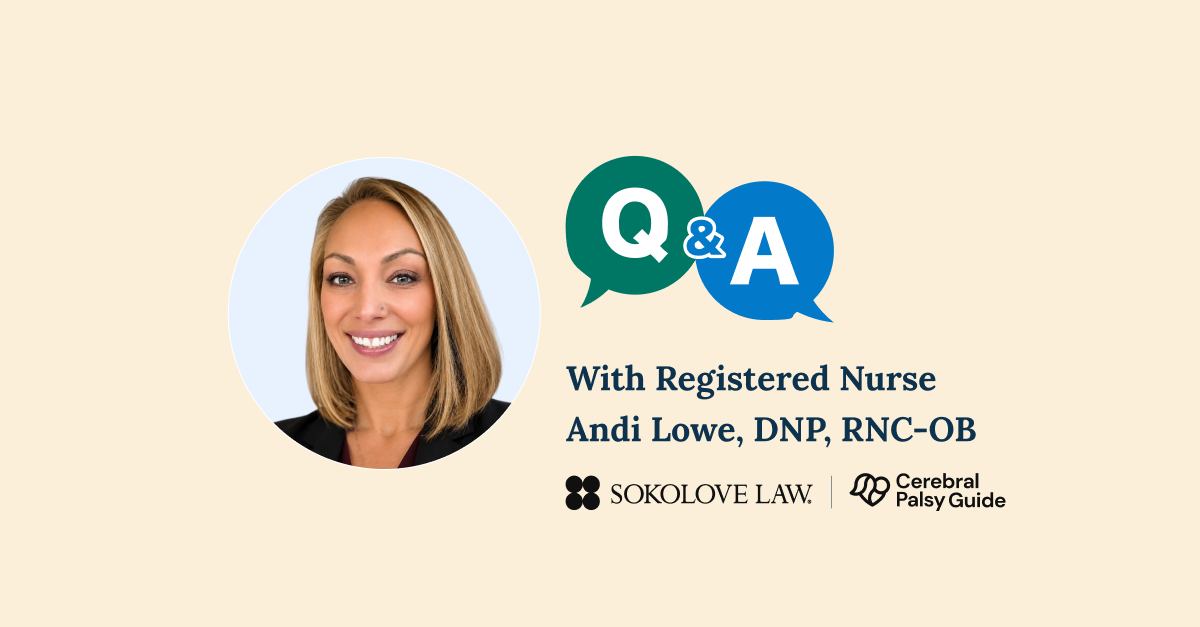
Andi Lowe is a registered nurse with over 20 years of experience in labor and delivery, nursery care, pediatrics, and NICU care. She also has advanced training in obstetric nursing, fetal monitoring, and newborn safety.
Andi’s extensive training and hands-on experience help her understand what families may be trying to piece together after a complicated birth.
Today, Andi works as a nurse case manager with the birth injury team at Sokolove Law, a leading national firm that has helped families nationwide recover over $1.1 billion for harm during childbirth.
In her role, Andi speaks directly with families about what happened before, during, and after birth to help identify whether a preventable injury may have occurred.
We spoke with Andi about the questions parents often have after a complicated birth, and why families should not wait too long to ask for answers.


Q: How can doctors and nurses tell if a baby is in distress during labor?
A: During labor, one of the biggest things doctors and nurses watch is the baby’s heart rate. That fetal monitor gives us information about how the baby is tolerating labor.
A baby’s heart rate can change during contractions, and not every change means something is wrong. But if the heart rate keeps dropping, stays very low, or does not recover the way we expect, that can be a sign the baby is not getting enough oxygen.
In these cases, parents may remember nurses coming in often, repositioning mom, giving oxygen, stopping Pitocin®, or saying the baby “doesn’t look happy.” Those details can be important later because they may show the care team was worried about fetal distress.
Q: What are signs that a baby was not getting enough oxygen during birth?
A: Some signs of birth hypoxia may show up right away. A baby may be born very limp, blue, or not breathing well. Another sign is when a baby does not cry right away. Sometimes the medical team has to breathe for the baby, give oxygen, or do chest compressions.
Other signs of oxygen loss can include seizures, unusual eye movements, poor feeding, or trouble swallowing. Those signs do not automatically mean a birth injury happened, but they are not things I would ignore.
When I hear those details, I want to understand what happened during labor and how quickly the baby was delivered once there were concerns.
Q: Can babies recover from lack of oxygen at birth?
A: Some babies can recover, especially if the oxygen loss was brief and they got help quickly. But when a baby goes without enough oxygen for too long, it can become serious.
One concern is HIE, which stands for hypoxic-ischemic encephalopathy. That means the baby’s brain did not get enough oxygen and blood flow for a period of time. That can cause brain swelling, and in some cases, it causes brain damage at birth.
The timing is important. I want to know when the distress started, when the care team recognized it, what they did, and how long it took to get the baby delivered.
Q: How do parents know if the care team missed something important?
A: Parents usually do not know for sure on their own. That’s why it helps to have someone walk them through the whole situation.
What I listen for is whether the care team recognized any warning signs and responded before the baby was harmed. That could involve missed testing, a high-risk pregnancy that was not referred to a specialist, or delivery risks that were not explained.
For example, if a baby was measuring very large or mom had diabetes, the care team should be talking about risks before delivery. If birth complications lead to brain injury, nerve damage, or a newborn broken arm during delivery, I would want to understand whether those risks were known and whether safer options were discussed.
Q: Can a baby seem okay at first but show signs of a birth injury later?
A: Yes. Some babies are clearly very sick right after birth. They may go to the NICU, need breathing support, have seizures, or be diagnosed with HIE.
Other children do not show obvious signs of a birth injury right away. The birth may have seemed mostly okay, but as the child grows, parents may start seeing delays. The child may not roll over, sit up, walk, talk, or use their arms and legs as expected.
That’s why I ask about both the birth and how the child is doing now. Sometimes the concerns become clearer over time.
Q: What developmental delays can show up after a birth injury?
A: When I’m talking with parents about developmental delay symptoms, I’m looking at the child’s age and what they should be doing at that point. For a baby, I want to know if they can hold their head up, feed safely, move their arms and legs normally, and start rolling over when expected.
As children get older, the concerns may change. A toddler may not be walking or talking on time. A school-aged child may have trouble learning, following directions, or interacting with other children.
One missed milestone does not automatically mean there was a birth injury. However, when a child has delays after a complicated birth, those are the situations where I would want families to ask more questions.
Q: Which details from labor, delivery, or the NICU can be important later?
A: The details that matter later are often the things families remember but never had fully explained to them. When I talk with parents, I usually start with the pregnancy. I want to know if there were any concerns and whether anyone explained what they could mean.
Then I walk through the labor and delivery. I want to know if the baby’s heart rate was dropping. I want to know if the team seemed worried or if people kept coming into the room. I also ask whether there was an emergency C-section, if forceps or vacuum extractors were used, or whether the baby had trouble getting out.
After delivery, I ask whether the newborn was not breathing at birth, needed cooling therapy, or resuscitation, had low Apgar scores, or had imaging done. I also ask how the child is doing now, including diagnoses, specialists, medications, and therapies.
Those details can help us understand whether there may have been a birth injury and what questions still need to be answered.
Q: What can happen if parents wait too long to get answers?
A: Waiting can make things harder. First of all, every state has legal deadlines called the statute of limitations, and once those deadlines pass, there may be nothing anyone can do, even if the care was clearly inadequate.
Parents do not need to know everything before they ask questions. When families call me after a complicated birth, I do not expect them to know whether something was malpractice.
A child also does not need to have a formal diagnosis. Sometimes we start with the information parents have, review their concerns, and then wait to see how the child develops.
What I do not want is for a family to wait years because they are unsure, overwhelmed, or hoping things will get better, only to find out later that their child has long-term needs and the deadline to act has passed.
If your child is showing concerning symptoms after a difficult birth, you do not need to know exactly what went wrong before asking questions. An experienced nurse can help you talk through what happened.
If it seems like a family may have a claim, we can immediately connect them with a trusted lawyer for fetal distress to investigate further.
Talk to a Nurse About Your Child’s Symptoms
At Cerebral Palsy Guide, we’re proud to have nurses like Andi Lowe on our team. Our nurses combine advanced credentials, hands-on delivery room experience, and more than 80 years of labor and delivery knowledge. That experience helps them understand the questions parents often have after a difficult birth.
If medical mistakes are suspected, our national network of top birth injury lawyers can review your case. As of 2026, they’ve recovered over $1.1 billion for families affected by preventable birth injuries. And we can help in all 50 states.
To learn more, call us at (855) 220-1101 or get a free case review now. Our nurses are here to listen and help you understand your next steps.
 Written by:Cerebral Palsy Guide
Cerebral Palsy Guide was founded upon the goal of educating families about cerebral palsy, raising awareness, and providing support for children, parents, and caregivers affected by the condition. Our easy-to-use website offers simple, straightforward information that provides families with medical and legal solutions. We are devoted to helping parents and children access the tools they need to live a life full of happiness