What are special needs trusts?
A special needs trust is a legal tool that can hold money or property for a person with a disability, including a child with cerebral palsy (CP).
When set up and managed correctly, a special needs trust may help protect access to needs-based benefits.
These benefits have strict financial limits:
- Medicaid
- Supplemental Security Income (SSI)
- Other needs-based public benefits
This is important because giving money directly to your child could affect their eligibility for certain benefits.
Instead, the money is placed in the trust and managed by a trustee. The trustee uses the funds to pay for approved expenses that support your child’s care, comfort, and quality of life.
Who qualifies for a special needs trust?
A child with cerebral palsy may qualify for a special needs trust if they need to protect access to needs-based benefits like Medicaid or SSI.
Special needs trusts are often used for children or adults who:
- Have a disability that affects daily life
- May receive money from a settlement, inheritance, or gift
- Need long-term support for care, equipment, therapy, or housing
- Receive or may later need needs-based public benefits
Not every child with CP needs a special needs trust. The right choice depends on your child’s benefits, assets, and long-term care needs.
Families should talk to a special needs planning attorney before creating a trust. The wrong setup could affect important benefits.
How does a special needs trust work?
A special needs trust works by holding money or property for your child instead of placing it directly in their name.
When the trust is set up correctly, those funds are usually not counted toward the financial limits for needs-based benefits like Medicaid or SSI.
This can help families save money for future care without putting those benefits at risk. A trustee manages the trust and decides how the money is used.
Trust funds may help pay for:
- Assistive devices like wheelchairs
- Education and training
- Medical care not covered by insurance
- Therapy and rehabilitation
- Transportation and personal needs
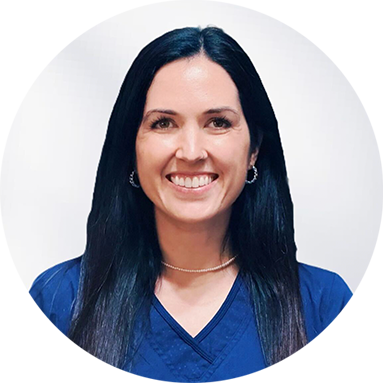
"Many children with special needs require a variety of therapies and assistive tools, such as walkers or communication devices. Having a trust can help provide for these essential costs."
— Katie Lavender, RN
These payments must follow strict rules. For example, giving cash directly to your child could affect their benefits.
A properly managed special needs trust can help families pay for extra support while protecting access to important health care and public benefits.
Will a special needs trust affect government benefits?
A special needs trust may help protect government benefits when it is set up and managed correctly.
This usually applies to needs-based benefits with strict financial limits. The trust must follow specific rules. For example, giving cash directly to your child could reduce SSI payments or affect eligibility.
A special needs trust should be created with help from a qualified attorney to avoid mistakes that may put important benefits at risk.
The Special Needs Alliance is a national network of attorneys dedicated to special needs planning. Use their Find an Attorney tool to locate a qualified lawyer in your area.
Types of special needs trusts
There are several types of special needs trusts for children with cerebral palsy. The right option depends on whose money is going into the trust and how the trust will be managed.
First-party special needs trust
A first-party special needs trust is funded with money or property that belongs to the person with CP. Families may use this type of trust when money is paid directly to the person with CP.
Common first-party trust funds include:
- Back payments from Social Security
- Personal injury settlement funds
- Other financial assets
First-party special needs trusts must follow federal rules. They also require Medicaid payback after the beneficiary dies, which means remaining funds must first be used to repay Medicaid for certain benefits it paid during the beneficiary’s lifetime.
Third-party special needs trust
A third-party special needs trust is funded by someone other than the person with CP, such as a parent, grandparent, or other family member.
These trusts are often used in estate planning and may be funded with:
- Gifts
- Life insurance
- Savings
Third-party special needs trusts usually do not require Medicaid payback after the beneficiary dies. This can make them a helpful option for families planning long-term financial support.
Pooled trust
A pooled trust is managed by a nonprofit organization. Each beneficiary has their own account, but the money is pooled together for management and investment.
Pooled trusts may be useful for families who:
- Do not have a suitable trustee
- Need a lower-cost trust option
- Prefer professional trust management
Pooled trusts can be first-party or third-party. If the trust is funded with the beneficiary’s own money, Medicaid payback rules may apply after the beneficiary dies.
What can a special needs trust cover for children with CP?
A special needs trust can help pay for extra needs that support your child’s care, comfort, and independence. The trust is meant to supplement government benefits, not replace them.
Trust-approved CP expenses may include:
- Accessible home updates
- Assistive devices and mobility equipment
- Cerebral palsy treatment not covered by insurance
- Education and job training
- Personal care support
- Recreation and travel
- Therapy and rehabilitation
- Transportation
The trustee must follow strict rules when using trust money. Giving cash directly to your child or paying certain living expenses the wrong way could affect benefits like SSI.
A qualified attorney can help families understand what the trust can safely cover.
How to set up a special needs trust
Setting up a special needs trust is not a simple DIY task for most families. The trust must be created and funded carefully so it does not put Medicaid, SSI, or other needs-based benefits at risk.
1. Talk to a special needs planning attorney
A qualified attorney can help you choose the right trust and make sure it follows federal law and your state’s Medicaid rules.
This is especially important if the trust will be funded with:
- Money in your child’s name
- Personal injury settlement funds
- Social Security back payments
These funds can create problems with existing benefits if they are handled the wrong way.
2. Choose the right type of trust
The right trust depends on whose money will go into it. A first-party trust uses assets that belong to the person with CP. A third-party trust uses money from parents, grandparents, or other loved ones.
A pooled trust may be another option if your family wants professional trust management through a nonprofit organization.
3. Pick a trustee
The trustee manages the trust money and decides how funds can be used. This person or organization must understand benefit rules because improper payments could affect SSI or Medicaid.
These are 3 possible trustees to consider:
- Family member
- Nonprofit organization
- Professional trustee
The trustee should be someone who can manage money carefully and follow strict benefit rules.
4. Create the trust document
The trust document explains how the special needs trust will work. It should clearly name the beneficiary, name the trustee, and explain how the money can be used.
Trust documents should also cover the trustee's responsibilities, like understanding which public benefits programs are available to the beneficiary without affecting their benefit eligibility.
This document should be prepared by an attorney who understands special needs planning.
5. Fund the trust
After the trust is created, money or property must be placed into it. The funding process must match the type of trust being used.
Trust funds may come from:
- Cash or savings
- Life insurance proceeds
- Settlement funds
Families should get legal guidance before moving money into the trust. Funding it the wrong way could affect benefits or change Medicaid payback rules.
Special needs trust vs. ABLE account
Families may use a special needs trust, an ABLE account, or both to save money for a child with cerebral palsy, a lifelong disorder that affects muscle control and movement. An ABLE account is a savings account for people with disabilities.
The savings are not taxed and don’t count as income if the money covers qualified disability expenses (QDEs). Those may include expenses related to a child’s health care, education, housing, and transportation.
“ABLE accounts, which stands for Achieving a Better Life Experience, were created to provide individuals with disabilities a tax-advantaged way to save for qualified disability expenses.”
– Special Needs Alliance
ABLE accounts can help pay for disability-related expenses without automatically putting Medicaid or SSI at risk, but they have strict rules.
Key differences include:
- ABLE accounts have yearly contribution limits.
- ABLE accounts are owned by the person with the disability.
- Special needs trusts can usually hold more money.
- Special needs trusts are managed by a trustee.
- Special needs trusts may offer more flexibility for long-term planning.
Both options can help, but the best choice depends on your child’s needs, benefits, and long-term care plan. Families should talk to a special needs planning attorney before deciding.
Get help planning for your child’s future with CP
Special needs trusts must follow federal law, state Medicaid rules, and benefit program requirements. Families should work with a special needs planning attorney before creating or funding a trust.
The right guidance can help protect your child’s benefits while setting aside money for future care, therapy, equipment, and daily support.
Cerebral Palsy Guide can help families learn more about financial resources and long-term planning for children with CP. Call us at (855) 220-1101 to find out how we may be able to help your family.