Preterm Birth and Cerebral Palsy Risk in 2026
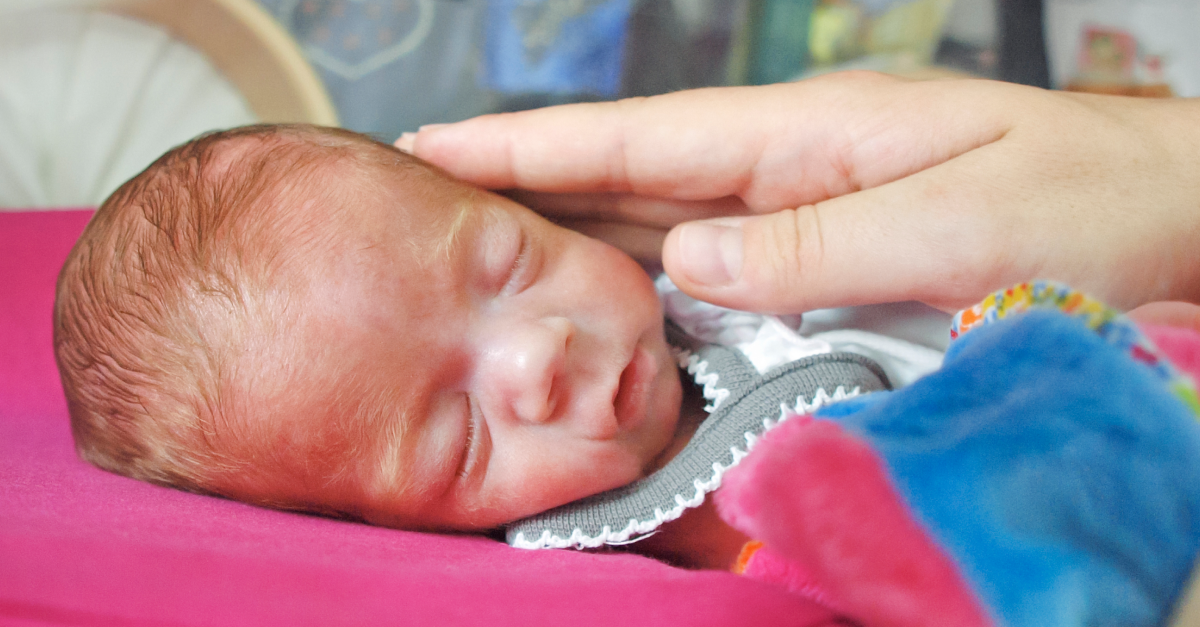
Premature birth is one of the most well-known risk factors for cerebral palsy (CP). Babies born very early are more likely to develop CP than babies born at full term, and the risk generally increases the earlier a baby is born.
For parents, this risk is not always clearly explained during a NICU stay. Families are often focused on breathing support, feeding, weight gain, and getting their baby home. Questions about long-term development may not come until later.
That’s why follow-up matters after a premature birth. Babies born preterm, especially before 32 weeks, may need ongoing developmental monitoring so delays, movement concerns, or early signs of CP can be identified as soon as possible.
What Research Shows About Preterm Birth and CP
Research continues to show a strong link between preterm birth and cerebral palsy. Babies born too early face a higher risk of CP than babies born at full term, and that risk increases the earlier a baby is born.
Recent findings help show how serious that risk can be:
- A 2025 review found that children born preterm had about 2.8 times higher odds of developing cerebral palsy than children born at full term.
- Babies born very early faced the highest risk.
- One large NIH-funded study found that 18.8% of nearly 7,000 children born before 27 weeks were later diagnosed with cerebral palsy.
Researchers believe improved neonatal care may be part of the reason more extremely premature babies are later diagnosed with CP.
This is because more babies born very early are surviving, and many of those babies are also the ones most at risk for long-term neurological conditions.
Why Early Monitoring and Intervention Matter
For premature babies, the first months after birth are an important time for brain development. This is why doctors may recommend close monitoring, therapy, or early intervention when a baby has a higher risk of cerebral palsy.
Early intervention can support more than movement. It may also help with feeding, communication, sleep, vision, and muscle or joint development.
Parents can also play an important role. The earlier families know what to watch for, the sooner they can ask questions, request support, and help their child get services that may improve development over time.
What Parents of Preterm Babies Should Know
Families of premature babies may benefit from ongoing developmental monitoring after leaving the NICU, especially if a baby was born before 32 weeks of pregnancy.
CP is not always diagnosed right away, and early signs of cerebral palsy may become clearer as a baby grows.
Parents may want to ask clear questions, including:
- Does my baby need neurodevelopmental follow-up?
- Should my baby be monitored for cerebral palsy risk?
- What movement, feeding, or developmental signs should we watch for at home?
- When should we ask for an early intervention evaluation?
Early intervention services are available in every U.S. state through Part C of the Individuals with Disabilities Education Act (IDEA). Children do not need a confirmed diagnosis to qualify, so parents can seek help if they notice delays, movement concerns, or other developmental issues.
Find Cerebral Palsy Support for Your Child
Every premature baby deserves careful follow-up and support. If your child was born early and you are worried about cerebral palsy or developmental delays, Cerebral Palsy Guide can help you understand what may come next.
We have a team of experienced labor and delivery nurses on staff who can help answer questions and connect you with support.
Connect with one of our registered nurses right now — it’s always free to talk with us.
 Written by:Cerebral Palsy Guide
Cerebral Palsy Guide was founded upon the goal of educating families about cerebral palsy, raising awareness, and providing support for children, parents, and caregivers affected by the condition. Our easy-to-use website offers simple, straightforward information that provides families with medical and legal solutions. We are devoted to helping parents and children access the tools they need to live a life full of happiness