Cerebral Palsy Questions Answered by Our Registered Nurse
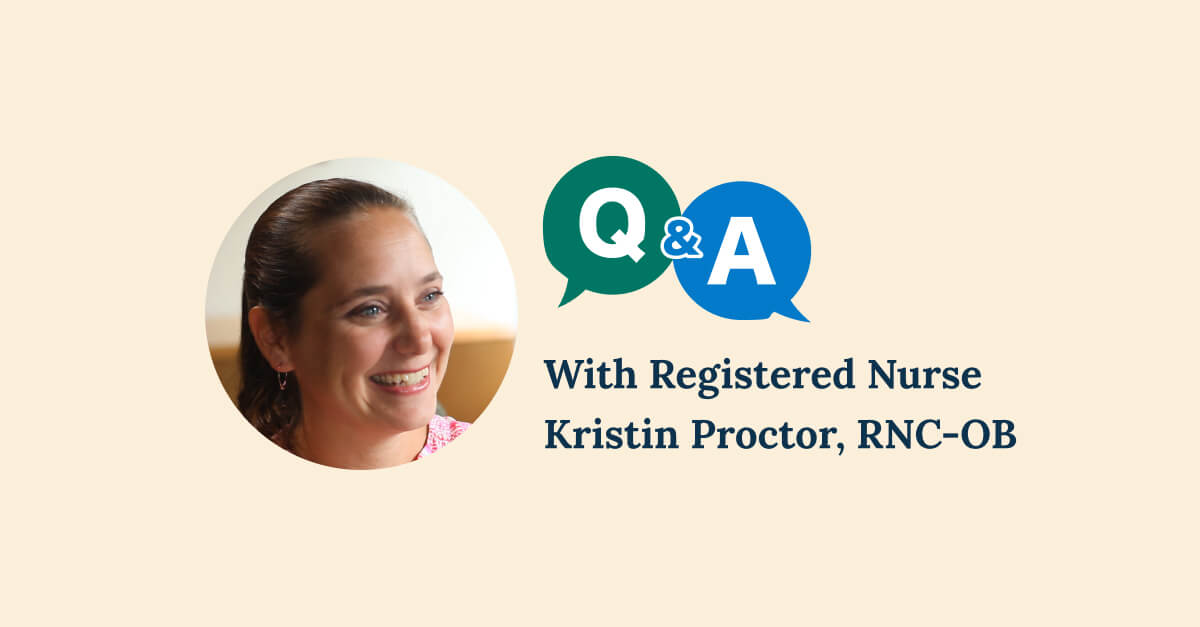
Kristin Proctor is a registered labor and delivery nurse with more than 20 years of experience. She’s nationally certified in inpatient obstetric nursing and has supported hundreds of families through complex births.
Coming from a military family, Kristin also served as a U.S. Army nurse, which shaped her disciplined, service-focused approach to caring for patients during stressful medical situations.
Her perspective is also personal, as her niece lives with cerebral palsy. She has unique insights into how developmental challenges can affect families over time — and how important early answers and support can be.
Kristin works with the birth injury team at Sokolove Law, a leading law firm that has helped families in all 50 states recover over $1.1 billion for preventable harm during childbirth.
In this role, Kristin listens to parents’ stories and works with the legal team to determine whether medical errors may have contributed to a child’s cerebral palsy.
We spoke with Kristin about the questions parents often ask when they are worried about CP, including possible causes, signs of cerebral palsy in babies, and what families can do if something about their baby’s birth doesn't feel right.


Q: How has your personal experience with cerebral palsy helped you understand what families are going through?
A: Having a niece with cerebral palsy has given me a very personal understanding of what families deal with. I’ve seen how much love, patience, and advocacy it takes to support a child with developmental challenges over time.
It reminds me that when parents reach out with concerns about their baby, they’re often scared and looking for honest answers.
My goal is to listen to their story, help them understand what may have happened, and give them clear information, so they can make the best decisions for their child moving forward.
Q: How do you help parents make sense of a birth injury that may have led to cerebral palsy?
A: The first thing I do is listen. Many parents have never had the chance to talk through what happened during their baby’s birth, so I give them space to share their story. From there, we walk through the pregnancy, labor, and delivery together.
So often, parents don't realize that an avoidable birth injury may have contributed to their child developing CP, so I try to explain what may have happened in simple terms.
I want to help parents understand their experience and feel supported as they figure out what it may mean for their child moving forward.
Q: What causes cerebral palsy during pregnancy or childbirth?
A: There are several causes of cerebral palsy, but many cases are linked to problems that affect a baby’s brain during pregnancy or delivery. One of the most common is oxygen loss.
Infections during pregnancy can also play a role. Sometimes complications like a nuchal cord, when the umbilical cord is wrapped around the baby’s neck, can lead to distress if it’s not recognized and managed quickly.
When I talk with parents, we often look back at the timeline of the birth together. Sometimes there were warning signs or complications that families didn’t realize could be connected to the cerebral palsy cause at birth.
Q: How do you know if your baby has cerebral palsy?
A: Many parents first notice small things that don’t feel quite right. Early signs of cerebral palsy in newborns can include a baby who feels very stiff or very floppy, delays in rolling over or sitting up, or has trouble with feeding and coordination.
In most cases, doctors monitor a child’s development over time, and a formal diagnosis often does not come until a child is around 2 or 3 years old.
When parents share these concerns with me, I remind them that they know their baby best. If something feels off, it’s always worth asking questions.
Q: My baby feels stiff when I hold them. Is something wrong?
A: Some babies naturally feel a little tighter or looser when you hold them, but ongoing stiffness can sometimes be an early sign of high muscle tone.
High muscle tone can indicate spastic cerebral palsy, the most common type of CP. Other babies may feel very loose or floppy, which can be linked to hypotonic cerebral palsy, when the muscles have low tone.
If your baby consistently feels very stiff or very floppy, it’s worth bringing up with their doctor. These signs do not always mean cerebral palsy, but they are things pediatricians watch when monitoring a baby’s development.
Q: What are the early signs that something went wrong during delivery?
A: Sometimes parents notice concerns right away, and sometimes questions come later. Parents may not have been told something went wrong, but sometimes they can recognize it with some context clues.
Difficult deliveries involving complications like shoulder dystocia or the use of tools like forceps or vacuum extractors often lead to birth injuries.
Other clues may include a baby needing time in the NICU, trouble breathing at birth, or signs of distress during labor. These situations do not always mean something went wrong, but they can help explain what may have happened during delivery.
I always tell parents to trust your gut. If you're questioning something or starting to wonder, that worry deserves an answer, and I'm here to help.
Q: What is birth asphyxia, and does it cause CP?
A: Birth asphyxia is when a baby does not get enough oxygen before or during delivery. When that happens, it can affect the brain and sometimes lead to conditions like cerebral palsy.
Parents may hear about neonatal asphyxia if their baby needed help breathing at birth, had low Apgar scores, required cooling therapy, or spent time in the NICU after delivery. An emergency C-section or other urgent interventions during labor can also be signs that doctors were responding to oxygen deprivation.
These situations don't always lead to cerebral palsy, but they are important factors doctors look at when trying to understand what happened during a baby’s birth.
Q: What causes brain damage in babies?
A: Newborn brain damage can happen for several reasons. One common cause is lack of oxygen and blood flow, known as hypoxic-ischemic encephalopathy, or HIE.
Infections, bleeding in the brain, or pressure from conditions like hydrocephalus can also affect brain development.
When parents ask me this question, we usually talk through what happened during the pregnancy and delivery, so they can better understand what may have affected their baby’s brain.
Q: Can cerebral palsy be detected before birth?
A: In most cases, cerebral palsy cannot be confirmed during pregnancy. Doctors usually diagnose cerebral palsy later by watching how a child develops over time.
During pregnancy, doctors monitor the baby’s growth and look for possible concerns through ultrasounds and other tests. These checks can sometimes show problems with the brain or signs that a baby may be under stress, but they do not usually confirm CP on their own.
That’s why doctors continue watching a child’s development after birth and look for early signs of cerebral palsy as the baby grows.
Q: Is cerebral palsy treatable?
A: There’s no cure for CP, but there are many cerebral palsy treatment options that can help children build strength, mobility, and independence over time. Therapies like physical, occupational, and speech are often an important part of that support.
I’ve seen how much progress can happen with the right care. My niece once needed a wheelchair, but over time, she was able to walk and eventually live independently as an adult.
Every child’s path is different, but early support and consistent therapy can make a real difference.
Q: What should I do if something feels wrong after my baby’s birth?
A: I always tell parents to trust their instincts. If something about your baby or the birth experience does not sit right with you, it’s okay to ask questions and keep asking until you get clear answers.
Start by talking with your pediatrician and sharing what you’re seeing. Early evaluations can help identify whether your baby may need extra support or therapy.
If you later learn your child’s condition may be connected to cerebral palsy malpractice, it can help to have an experienced legal team review what happened during pregnancy or delivery.
In some cases, families can file a cerebral palsy claim for compensation to help cover the care and therapies a child may need throughout their life.
Get Cerebral Palsy Financial Support
Families affected by CP often face significant lifelong care expenses, but cerebral palsy financial support is available.
At Cerebral Palsy Guide, we’re fortunate to work with nurses like Kristin, who bring decades of labor and delivery experience. Our nurses understand the questions parents often have after a difficult birth.
If medical mistakes are suspected, our national network of top attorneys for cerebral palsy can review your case. To date, they’ve recovered over $1.1 billion for families affected by preventable birth injuries, including CP. And we can help in all 50 states, no matter where you live.
To learn more, call us at (855) 220-1101 or get a free case review now. Our team is here to listen and help you understand the next steps.
 Written by:Cerebral Palsy Guide
Cerebral Palsy Guide was founded upon the goal of educating families about cerebral palsy, raising awareness, and providing support for children, parents, and caregivers affected by the condition. Our easy-to-use website offers simple, straightforward information that provides families with medical and legal solutions. We are devoted to helping parents and children access the tools they need to live a life full of happiness