New Study Finds Up to 80-Fold Higher Risk of Cerebral Palsy From Meningitis
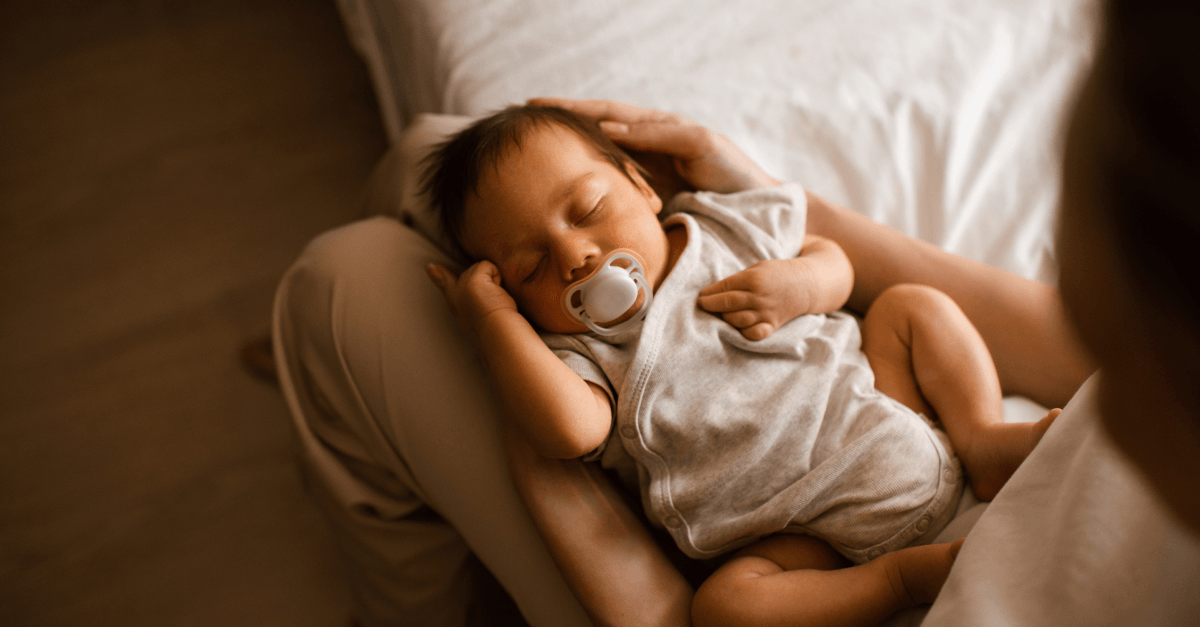
A new study of more than 1 million children found that meningitis during a baby’s first week of life was linked to a much higher risk of cerebral palsy (CP).
The risk of CP was nearly 80 times higher among babies with culture-confirmed meningitis.
Newborn meningitis can cause inflammation around the brain and spinal cord. Without fast treatment, the infection may damage a baby’s developing brain and lead to cerebral palsy.
Doctors must recognize the warning signs, order the right tests, and start antibiotics quickly. Delayed treatment can allow the infection to become more severe and increase the risk of lasting harm.
Not every case of cerebral palsy from meningitis is preventable. However, medical malpractice may have occurred if a care team missed clear signs of infection, delayed testing, or failed to provide timely treatment.
When these mistakes cause a child’s condition, families may be able to seek financial compensation.
What Did the Cerebral Palsy Research Show?
Researchers studied more than 1 million children born in Denmark between 2004 and 2022. Most were born on time or only a few weeks early. The goal was to find out if serious bacterial infections during a baby’s first week were linked to cerebral palsy.
The study focused on meningitis, which causes swelling around the brain and spinal cord, and sepsis, a dangerous reaction to an infection.
Key findings about cerebral palsy risk included:
- Newborn sepsis during the first week was linked to about 8 times the risk of CP
- Sepsis confirmed by a blood test was linked to about 24 times the risk.
- Newborn meningitis raised the risk by about 49 times.
- Meningitis confirmed by a spinal fluid test was linked to nearly 80 times the risk.
- Serious movement problems were more common among kids with both sepsis and CP.
The study found a strong link between early bacterial infections and cerebral palsy. It did not prove that every infection caused CP. However, the researchers said better prevention and treatment may help lower the risk for affected babies.
“Early-onset neonatal meningitis was associated with an even higher risk of CP, with risk estimates ranging from 49- to 79-fold depending on the definition.”
– Mads Andersen, MD, and study coauthors
What Parents Should Know After Newborn Meningitis
When a child develops cerebral palsy after a serious newborn infection, parents may wonder what happened and if faster treatment could have prevented the brain injury.
Meningitis and sepsis can become dangerous quickly. Doctors should recognize the warning signs, order the proper tests, and start antibiotics as soon as possible. When they don’t, it may be considered medical negligence.
- Your baby's infection was not found or treated quickly.
- Doctors or nurses brushed off warning signs like fever, poor feeding, sleepiness that seemed unusual, trouble breathing, or seizures.
- The hospital was slow to order blood tests, a spinal tap, or antibiotics.
- Your child was diagnosed with cerebral palsy or another brain injury after a serious infection as a newborn.
An experienced birth injury lawyer can review the medical records and help determine if the care team failed to act properly. If a preventable delay caused your child’s injury, your family may be able to seek compensation for medical care, therapy, equipment, and future needs.
Get Legal Help for Your Child With Cerebral Palsy
The lifetime cost of caring for a child with cerebral palsy can reach more than a million dollars. Medical care, therapy, medications, and adaptive equipment can place a major financial strain on families.
Cerebral palsy lawsuit compensation can help pay for:
- Doctor visits and hospital bills
- Physical, speech, and other therapy
- Wheelchairs, braces, and other equipment
- Care your child will need as they grow
Our registered nurses have more than 80 years of combined experience. They’re standing by to listen to what happened and help you figure out what to do next. But don’t wait — every state has a legal deadline for filing a birth injury claim. Waiting too long can mean you lose your right to take action.
Call us right now at (855) 220-1101 or get your free case review today. It costs nothing to find out what happened — and it could change your child's future.
 Written by:Cerebral Palsy Guide
Cerebral Palsy Guide was founded upon the goal of educating families about cerebral palsy, raising awareness, and providing support for children, parents, and caregivers affected by the condition. Our easy-to-use website offers simple, straightforward information that provides families with medical and legal solutions. We are devoted to helping parents and children access the tools they need to live a life full of happiness