Are You Born With Cerebral Palsy?

Cerebral palsy (CP) is one of the most common lifelong motor disabilities, affecting more than 1 million Americans. For parents who are just learning about CP, one of the first questions is often: Was my child born with it, or did something happen later?
Most people with cerebral palsy have it at birth, though it may not be diagnosed until months or years later. In rare cases, the brain injury that causes CP can happen after birth.
Parents and caregivers often ask:
- When is cerebral palsy detected?
- Can you diagnose cerebral palsy at birth?
- When do signs of cerebral palsy first appear?
- Is it possible to develop cerebral palsy as an adult?
- What causes CP at birth, and could it have been prevented?
Understanding when CP develops and when it's typically detected can help families recognize symptoms early, get a faster diagnosis, and start treatment when it matters most.
Are Babies Born With Cerebral Palsy?
Most people with cerebral palsy have the condition at birth, according to the National Institute of Neurological Disorders and Stroke (NINDS). However, it may not be diagnosed for months or years.
This is called congenital cerebral palsy. Congenital CP can happen when the developing brain is injured or does not form properly before or during birth.
- Brain bleeding or white matter injury, like periventricular leukomalacia (PVL)
- Genetic differences affecting brain development
- Infections during pregnancy, such as rubella, cytomegalovirus, or chorioamnionitis
- Lack of oxygen or blood flow to the baby’s brain, which can cause hypoxic-ischemic encephalopathy (HIE)
- Premature birth or very low birth weight
- Stroke in the womb or shortly after delivery
- Untreated jaundice that leads to kernicterus
A smaller group of children has acquired cerebral palsy, meaning the brain injury happened after birth. Acquired CP is usually estimated to account for about 10% to 15% of cases.
CP is caused by damage to the developing brain, not by a problem with the muscles or nerves. The brain injury itself does not get worse over time, but symptoms and support needs can change as a child grows.
When Does Cerebral Palsy Appear?
Cerebral palsy signs often appear gradually as a baby grows and begins to miss developmental milestones. Some signs may be noticeable in the first few months of life, while milder cases may not become clear until a child is older.
Parents may first notice developmental delays, unusual muscle tone, or movement differences.
Depending on the child’s age, early signs of cerebral palsy may include:
- Body feels unusually stiff or floppy
- Delays in rolling over, sitting up, crawling, or pulling to stand
- Difficulty feeding, sucking, or swallowing
- Legs that stiffen or cross when the baby is picked up
- Overextending the back and neck as if pushing away
- Reaching with only one hand while keeping the other hand fisted
- Trouble bringing hands together or to the mouth
- Trouble holding the head up when lifted from a lying position
Because every child develops at a slightly different pace, not every delay points to CP. But if a baby is consistently missing milestones or showing mobility limitations, parents should talk to their pediatrician right away.
When Is Cerebral Palsy Detected?
Cerebral palsy is not usually diagnosed at birth. Doctors often diagnose CP by watching how a baby moves, grows, and reaches motor milestones over time.
Many children are diagnosed between 12 and 24 months old, but some babies can be identified earlier, especially if they had a difficult birth, spent time in the NICU, were born prematurely, or had a condition like HIE.
Doctors and specialists may use physical exams, developmental screenings, and brain imaging to look for signs of CP or other conditions.
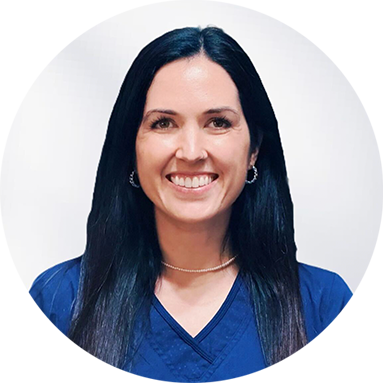
"Early diagnosis is one of the most powerful tools families have. The sooner we identify CP, the sooner we can begin therapies that take advantage of how adaptable a baby’s brain is during the first two years of life."
— Katie Lavender, RN
Mild cases may not be diagnosed until a child is 3 to 5 years old, when movement, balance, or coordination concerns become easier to see.
Is Cerebral Palsy Diagnosed at Birth?
Cerebral palsy is rarely diagnosed in the hospital on the day a baby is born. In many cases, the signs are not visible yet because newborns are not expected to roll over, crawl, or use their hands in more developed ways.
However, doctors may identify risk factors at or near birth that suggest a baby should be watched closely for CP.
Risk factors at or near birth may include:
- Evidence of brain injury on a newborn MRI or cranial ultrasound
- HIE or intraventricular hemorrhage (IVH)
- Low Apgar score at 5 or 10 minutes
- Seizures in the first 72 hours of life
- Signs of birth asphyxia
When these red flags are present, the baby may need close developmental follow-up. A formal CP diagnosis usually comes later, once doctors can better see how the child’s movement and motor skills are developing.
Cerebral Palsy Causes at Birth
Cerebral palsy can be linked to brain damage that happens before, during, or shortly after birth. In some cases, CP is connected to delivery problems that reduce oxygen or blood flow to the baby’s brain.
- Delayed C-section when a baby is in distress
- Improper use of delivery tools, such as forceps or vacuum extractors
- Neonatal asphyxia, when a baby does not get enough oxygen during delivery
- Placental problems, including placental abruption
- Prolonged or difficult labor, including shoulder dystocia
- Umbilical cord problems, like a compressed cord or nuchal cord
- Untreated infections leading to complications like infant meningitis
Some complications cannot be prevented. Others may happen because doctors, nurses, or other medical providers failed to act quickly or provide proper care.
When a preventable medical mistake during delivery leads to a child’s CP, families may have legal options to pursue compensation for treatment, therapy, and lifelong care.
Do They Test for Cerebral Palsy at Birth?
There is no standard newborn test for cerebral palsy. CP is not included in the routine blood test that newborns receive in the hospital. However, doctors may check for signs of brain injury or oxygen problems after a difficult birth.
These tests may include:
- Apgar scores after birth
- Blood gas tests to check oxygen levels
- Brain imaging, such as an MRI or cranial ultrasound
- EEG monitoring if a newborn has seizures
- Physical or neurological exams
If the results raise concerns, the baby may be referred to a pediatric neurologist or high-risk infant follow-up clinic. Doctors may also recommend close developmental monitoring to watch for early signs of CP
Knowing the early signs of a birth injury can help parents ask questions and request more follow-up care when something feels wrong.
Can You Develop Cerebral Palsy Later in Life?
Cerebral palsy does not develop for the first time in adulthood. CP is caused by damage to the developing brain, usually before birth, during birth, or in early childhood.
A small number of children have acquired cerebral palsy, which means the brain injury happened after birth. This can result from problems such as a serious infection, stroke, head injury, oxygen loss, or untreated jaundice.
Adults with CP may notice new challenges over time, such as pain, fatigue, muscle tightness, or joint problems. This does not mean CP is newly developing. It usually means the effects of CP are changing with age.
This is one of the most common questions families ask, and the answer is nuanced, but generally speaking, you cannot develop cerebral palsy as an adult.
Get Help After Early Signs of Cerebral Palsy
Cerebral palsy can leave families with a lot of questions, especially when signs appear months or years after birth. You may be wondering when the brain injury happened, what symptoms to watch for, and what kind of support your child may need.
Cerebral Palsy Guide can help families:
- Understand their child’s diagnosis
- Find support resources
- Connect with leading cerebral palsy lawyers
Call us at (855) 220-1101 or download our FREE Cerebral Palsy Guide to learn more about how we can help.
 Written by:Cerebral Palsy Guide
Cerebral Palsy Guide was founded upon the goal of educating families about cerebral palsy, raising awareness, and providing support for children, parents, and caregivers affected by the condition. Our easy-to-use website offers simple, straightforward information that provides families with medical and legal solutions. We are devoted to helping parents and children access the tools they need to live a life full of happiness