Signs of Hypoxia in Newborn Infants
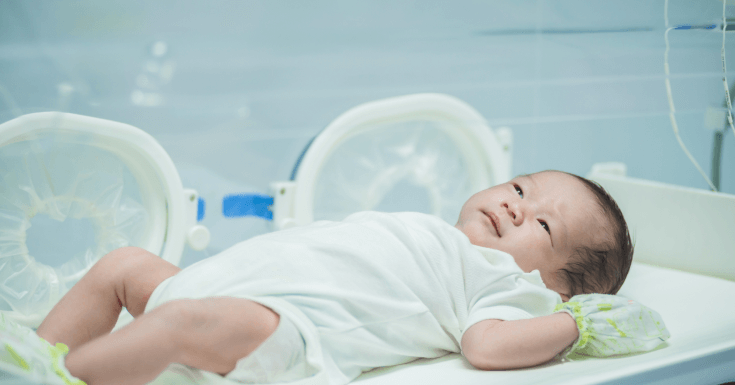
Circumstances before and during birth can cause newborns to be born with low oxygen levels, or hypoxia. Causes of hypoxia in a newborn include certain maternal conditions, problems with the placenta, newborn complications, or even poor decisions by a physician surrounding labor and birth.
Because the body needs high levels of oxygen to function properly, prolonged periods of hypoxia can cause damage to important organs like the brain, leading to birth injuries such as cerebral palsy.
Nurses and doctors must respond quickly to signs of hypoxia in order to prevent long-term damage or even death.
What Is the First Sign of Hypoxia in Newborn Infants?
Before birth, medical professionals can tell if a baby is in distress and not receiving enough oxygen through fetal monitoring. An external device called a Doppler tracks the infant's heart rate and shows patterns.
Special expertise and training go into reading and evaluating a fetal heart tracing, but 2 signs that a baby is in distress are when the heart rate has no fluctuations (absent variability) or when there is a prolonged drop in the heart rate (deceleration).
When there are clear signs that an infant is in distress and cannot be helped with bedside interventions, a C-section needs to occur to allow nurses to give a direct source of oxygen to the baby. Immediately after birth, the medical team will evaluate a newborn for signs of hypoxia and respiratory distress.
Signs and symptoms of hypoxia in infants include:
- Cyanosis: This is marked by blue or dusky skin color, specifically on the face, mouth, or abdomen.
- Weak or absent cry (apnea): Weak respiratory effort or gasping are signs that a newborn needs respiratory support and has low oxygen levels.
- Decreased or absent muscle tone: Hypoxia can quickly cause a reduction in muscle contraction.
- Poor or absent reflexes: When the brain does not receive enough oxygen, it can be seen in decreased reflex responses. Some reflexes in a healthy newborn include the startle reflex (extension of limbs), grasp reflex (fingers curl), and plantar reflex (toes spread out).
- Low heart rate: A heart rate below 100 beats per minute requires breathing support, while a heart rate below 60 requires chest compressions and oxygen support.
- Working hard to breathe: When a baby is breathing too quickly, their chest and abdomen appear to sink in with each breath (retractions).
- Noisy breathing: Grunting, heard when a baby breathes out, indicates the baby is trying to hold air in the lungs and is a sign of respiratory distress.
- Decreased or abnormal lung sounds: Using a stethoscope, a nurse can hear minimal air movement or sounds like crackles, which is a sign of fluid in the lungs.
Depending on the severity, hypoxia in newborn treatments often include the administration of oxygen, pressure, and breaths via a mask at delivery.
If the infant’s heart rate is severely low and not pumping enough blood throughout the body to provide it with oxygen, medications and chest compressions may be needed as well.
Effects of Hypoxia in Newborn Infants
Newborns who have prolonged periods of hypoxia are at risk for developing long-term conditions from damage to vital organs.
Some conditions that are associated with hypoxia in newborns include:
- Cerebral palsy (CP): A group of disorders that affect muscle control and movement, it can result from low oxygen levels during birth, causing damage to the brain. CP often includes seizures and other learning, speech, and swallowing disabilities.
- Hypoxic-ischemic encephalopathy (HIE): This condition can occur from a lack of blood or oxygen to the baby, causing brain cells to die and potentially leading to irreversible neurological damage.
- Meconium aspiration syndrome (MAS): MAS occurs when a baby inhales amniotic fluid that contains the baby’s first stool (meconium), which can block parts of their airway and decrease oxygenation, which may lead to respiratory failure and brain damage.
- Periventricular leukomalacia (PVL): This involves damage to the white matter of the baby’s brain, which is important for helping different parts of the brain communicate. PVL can cause movement and mental delays.
- Intraventricular hemorrhage (IVH): Bleeding in the brain’s fluid-filled cavities (ventricles) can damage surrounding brain tissue, cause blood loss from vessels, and block cerebrospinal fluid flow through the cavities, which is vital for brain function.
Did your newborn show signs of hypoxia after birth? Was your baby treated for respiratory complications and admitted to the neonatal intensive care unit (NICU)? Has a diagnosis been given, like those above, that points to decreased oxygen before, during, or after birth?
If any of this is true for you, I am sorry that you had to walk through this overwhelming and heartbreaking journey, but know that help is available.
Get Help for Hypoxia in Newborns
As a baby nurse, I understand how hypoxia in newborns is sometimes unavoidable. Other times, the condition could have been prevented with proper monitoring, safe interventions, and quick action.
Early signs of hypoxia in infants should alert medical providers that something is wrong and result in quick action to safeguard a child's health. However, when warning signs are missed or ignored, babies can suffer lifelong harm.
If you believe that your child’s medical team did not respond properly and it led to hypoxia in your newborn and a serious diagnosis, you deserve answers and support.
Call Cerebral Palsy Guide at (855) 220-1101 right now or get a free case review to see how we may be able to help your family.
 Written by:Katie Lavender, RN
Katie Lavender has over 10 years of experience as a Registered Nurse in postpartum mother/baby care. With hands-on experience in Labor and Delivery and a role as a Community Educator for newborn care, Katie is a staunch advocate for patient rights and education. As a Medical Reviewer, she is committed to ensuring accurate and trustworthy patient information.