Fetal Monitoring During Labor: How It Keeps Infants Safe
Infant safety is a top priority of the medical team during labor and delivery. A mother’s health can be monitored in a variety of ways, like checking her blood pressure and oxygen saturation levels.
However, before an infant is born, the health status of the infant during labor is monitored primarily by one main method: electronic fetal monitoring.
A fetal monitor helps spot warning signs that a baby may be in distress. If those signs are missed or ignored, it can lead to serious birth injuries like cerebral palsy.
What Is Fetal Monitoring During Labor?
A fetal monitor is a tool used during labor to examine the baby’s heart rate and its patterns. It helps the nurses and doctors monitor the infant’s response to labor. It also allows them to catch any signs of fetal distress, so they can provide safe interventions and reduce any stress on the baby.
There are two types of fetal monitoring, internal and external.
External Fetal Monitoring
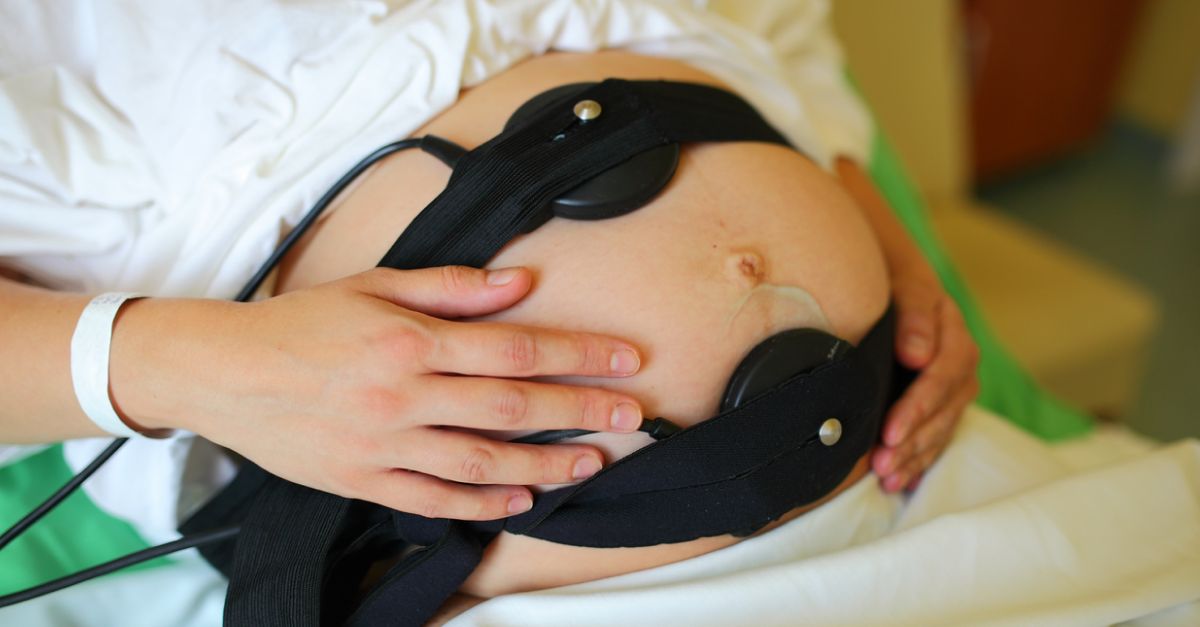
External fetal monitoring is often used first. With this type, two elastic belts with monitors are placed around the mother's abdomen. One of the monitors measures how long each contraction lasts and the amount of time between each contraction.
The second monitor is a doppler, which tracks patterns in the infant's heart rate. Movement can sometimes affect these readings. If the medical team believes it's an issue, they'll perform internal fetal monitoring after the mother's water breaks instead.
Internal Fetal Monitoring
With internal fetal monitoring, an electrode is placed on the infant’s scalp while still in the womb to monitor their heart rate. An intrauterine pressure catheter, commonly referred to as an IUPC, can also be used at this time to give an accurate reading on the strength of the uterine contractions.
With both external and internal fetal monitoring, we get a picture of the infant’s health and are able to see any changes indicating distress of the baby.
Fetal monitoring is important because it helps medical professionals detect early signs of stress the baby is experiencing, which shows how well the baby is tolerating the mother's contractions.
These monitors also help the medical staff make decisions on labor management, medication administration, and other interventions.
Improper Fetal Monitoring During Labor
Continuous or intermittent electronic fetal monitoring can help ensure that the baby is receiving enough oxygen and that labor is progressing safely.
However, medical staff sometimes fail to monitor the baby appropriately or do not act quickly when there are signs of trouble. This includes ignoring warning signs, like a sudden drop in the baby’s heart rate, failure to recover after contractions, or a lack of variability in the heartbeat.
When doctors or nurses delay interventions, such as ordering an emergency C-section or administering oxygen, the baby may remain in distress for too long.
This lack of timely response can lead to serious birth injuries caused by a decrease in oxygen to the brain, known as hypoxia or birth asphyxia. Without adequate oxygen, a baby’s brain and organs can suffer permanent damage.
Sadly, this has led to lifelong medical conditions that could have been prevented, like:
- Cerebral palsy
- Cognitive impairments
- Developmental delays
- Hearing and vision problems
- Seizure disorders
These injuries not only alter the course of a child’s life but can also place an enormous emotional and financial burden on families.
Proper fetal monitoring is a basic standard of care during labor and delivery. When it is not followed, it may be considered medical malpractice, and families may have legal options to seek justice and support for their child’s future.
In one case, a family was awarded over $5 million when their child developed cerebral palsy as a result of oxygen deprivation during delivery.
What Doctors Look for in Fetal Monitoring
Fetal monitoring plays a vital role in making sure the infant remains safe during labor and delivery. It allows medical professionals to respond quickly to infant distress, even though we cannot actually see the infant.
Nurses and doctors will monitor for fluctuations in fetal heart rate, called variability. A normal infant heart rate varies between 110 to 160 beats in 1 minute.
The type of variability determines if the infant is in distress or not:
- Moderate variability: Changes range from 6 to 25 beats per minute. This is the desired variability, meaning the infant is healthy and responding well to labor.
- Minimal variability: Changes are visible but small (under 5 beats per minute). Minimal variability lasting a long time may signal fetal distress and require intervention and closer monitoring. However, short periods aren't always a cause for concern and can happen after pain medications or during a baby’s sleep cycle.
- Marked variability: Changes are greater than 25 beats per minute. This could also indicate infant distress and warrants interventions and close monitoring.
- Absent variability: There are no changes in the heart rate. This requires immediate intervention, often resulting in a C-section delivery, as it is a strong sign of poor health of the fetus.
Accelerations, or brief increases in heart rate, are a sign the infant is healthy and receiving enough oxygen. The more accelerations, the better!
However, minimal, marked, or absent variability may require quick medical action to protect the baby.
Decelerations in Fetal Monitoring During Labor
Decelerations, or drops in infant heart rate, can indicate distress. Sometimes, early signs of distress can be fixed by changing the mother’s position, giving her oxygen, stopping medications that cause contractions, or providing hydration through an IV.
There are a few different types of decelerations, including:
- Early decelerations: This occurs when there is a drop in the infant's heart rate during a contraction. The heart rate returns to the baseline (average heart rate of the infant) after the contraction. Early decelerations are a sign that the infant’s head is being compressed, which is usually not harmful. This change in infant heart rate can be seen as an infant gets closer to delivery.
- Late decelerations: This occurs after the maternal contraction. Repeated and prolonged late decelerations show the medical team that there could be a problem with the uterus or the placenta, which can lead to the infant not receiving enough oxygen.
- Variable decelerations: This appears as a brief drop and can indicate compression of the umbilical cord. While infrequent variable decelerations are not as problematic, any drop in infant heart rate should be monitored closely. If the frequency increases, the infant may be receiving less oxygen than needed.
The labor team will increase the number of staff members in the room for delivery if there are signs of distress observed during fetal monitoring, which can help the infant get help quickly if needed after birth.
If there are signs of severe and unresolved distress in the infant, the physician will perform a C-section to deliver the baby safely.If there are signs of severe and unresolved distress in the infant, the physician will perform a C-section to deliver the baby safely.
Get Help for Birth Injury Malpractice
As a baby nurse, I’ve seen just how powerful fetal monitoring can be. It gives us a window into how a baby is handling labor, helping us spot signs of distress early and take action before lasting harm occurs. When used properly, this tool can make all the difference in keeping newborns safe.
But when warning signs are missed or ignored, babies can suffer preventable birth injuries that impact them for life. That’s why it’s so important for parents to understand how fetal monitoring works and to speak up if something doesn’t feel right.
Every baby deserves a safe start. And every family deserves answers when that safety is compromised. If you believe your child’s injury may have been caused by improper fetal monitoring, help is available.
Call the Cerebral Palsy Guide at (855) 220-1101 or get a free case review to see how we may be able to help your family.
 Written by:Katie Lavender, RN
Katie Lavender has over 10 years of experience as a Registered Nurse in postpartum mother/baby care. With hands-on experience in Labor and Delivery and a role as a Community Educator for newborn care, Katie is a staunch advocate for patient rights and education. As a Medical Reviewer, she is committed to ensuring accurate and trustworthy patient information.