Resources I Wish My Parents Had When I Was Diagnosed With CP
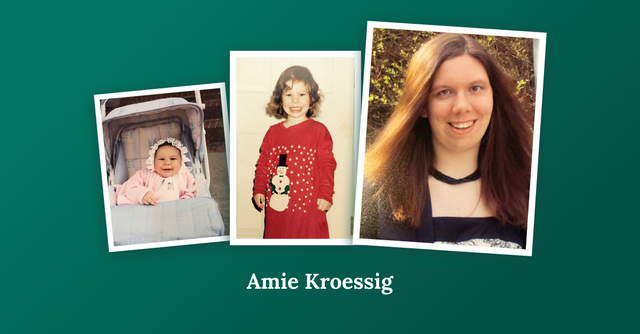
While I was growing up with cerebral palsy (CP), my parents didn’t have the internet to quickly research and find answers like people do today. Instead, they had to rely on the library and search through books for information.
The problem was that by the time those resources were finally published, new information was already emerging. It made it harder for them to stay up to date and feel confident that they were getting the most accurate and helpful guidance for my care.
Because of this, I often think about the cerebral palsy resources I wish had been available for my parents. I know it would have reassured them that I would be okay and that they were doing the best thing for me.
Understanding My Diagnosis From the Start
When I was diagnosed with cerebral palsy, my mom said, “Thank God,” when the doctor told her. This may not be the reaction most parents have, but she understood that cerebral palsy is not a progressive condition. She believed that with the right support and assistance, I would be okay.
That kind of understanding can make a big difference in the beginning. It helps when parents have clear, reliable information about cerebral palsy right away instead of being left scared or confused.
When CP is first suspected, it may help to know:
- What cerebral palsy is (and isn't)
- What cerebral palsy can look like in babies
- What CP may mean for a child’s future
When parents understand these basics from the start, it can make those early days feel less overwhelming.
As someone who grew up with CP, I want parents to know that a diagnosis is not the end of the story. It is the beginning of learning what your child needs and how to support them.
Finding the Right Therapists and Specialists Early On
I began treatment for cerebral palsy at a very young age to help strengthen my fine motor skills, and I even started using sign language before I could talk. I continued occupational and physical therapy until about age 7.
I didn’t finish speech therapy until my freshman year of high school. That’s a reminder that progress can look different at each stage of life.
Looking back, one of the most helpful resources for my parents would have been clearer guidance on the kinds of therapists and cerebral palsy specialists we may need early on.
It can be hard for parents to know where to start, how often cerebral palsy therapy may be needed, or how those needs may change over time.
In addition to therapy, my parents had to get special permission for me to start playing soccer at age 3. They felt the extra physical activity would be beneficial for my health.
I’m grateful they pushed for that, because it helped me build strength in a different way and reminded me that support for cerebral palsy should not stop at doctor visits and therapy appointments.
Adaptive Equipment and Daily Life Tools
All the physical and occupational therapy I had to do as a child played a big role in helping me build the skills I needed for everyday life. I started learning how adaptive equipment and daily tools could support independence, make everyday tasks more manageable, and help kids do things in a way that works best for them.
In my case, I never relied on braces for my cerebral palsy, except for knee braces and crutches while recovering from knee surgeries. But every child with CP is different.
Some kids with cerebral palsy may need assistive devices, including:
- Braces
- Communication devices
- Seating support
- Walkers
- Other tools to help with movement, comfort, or daily routines
That’s why it’s so important for parents to know early on what kinds of equipment or supports may be available. The right tools can help a child take part more fully at home, at school, and in everyday life. Even small supports can make a big difference in building confidence and independence over time.
Getting the Support I Needed at School
As I entered school, finding the right tools while living with cerebral palsy wasn’t always easy, but it pushed me to learn how to advocate for myself and find what actually worked for me. As a student with learning disabilities, some teachers had a hard time seeing that I was capable and smart regardless of my diagnosis.
Some children with CP may benefit from IEPs, accommodations, extra classroom support, or even therapy services at school.
There were times when people assumed I belonged in special education simply because I learned differently, but I proved them wrong. My path through different learning environments wasn’t straightforward, but it showed me that with the right support, success is possible.
Finding support in school can feel like you’re climbing a mountain, but it’s so important to speak up for yourself and stay open to different educational paths.
Connecting With Other Families Living With CP
Because I was mostly in general education settings, my parents never really connected with other families affected by cerebral palsy. They did not feel the need to at the time. Looking back, though, I do wonder if it would have helped.
My experience with CP was fairly independent in a lot of ways, so our path may have looked different from that of families whose children needed more visible support. If that had been the case, I think connecting with other parents and children in similar situations may have mattered even more.
There can be real comfort in talking to people who understand what you are going through. Cerebral palsy help groups and other community resources for cerebral palsy may give parents a place to ask questions, share advice, and feel less alone. Even just hearing from someone who has already been through the early years may help families feel more supported and more confident about what comes next.
It can also help kids with CP to know they are not the only ones. Even if my parents did not seek that kind of connection at the time, I can still see how it may have been meaningful for all of us.
Finding Financial Help for Cerebral Palsy
The right support can make a huge difference in the life of a child with cerebral palsy. Therapy, specialists, adaptive equipment, school support, and other resources may help a child build skills and become more independent over time.
At the same time, comprehensive support for cerebral palsy can be very expensive. The costs of care, therapy, equipment, and everyday needs can add up quickly for families.
That’s why it’s so important for parents to know that cerebral palsy financial support may be available. Having access to the right information early on may help families find resources, plan ahead, and get the support their child needs.
If your child has been diagnosed with cerebral palsy and you need help finding support, Cerebral Palsy Guide may be able to help. Download our free Cerebral Palsy Guide or call us at (855) 220-1101 to learn more.
 Written by:Amie Kroessig
Amie Kroessig is a Patient Advocate and Outreach Coordinator for Cerebral Palsy Guide. In her role, she provides resources and support to families and caregivers of children with cerebral palsy to help give them the quality of life they deserve.