New ‘Swimming Cap’ Could Provide Early Cerebral Palsy Diagnosis in Infants
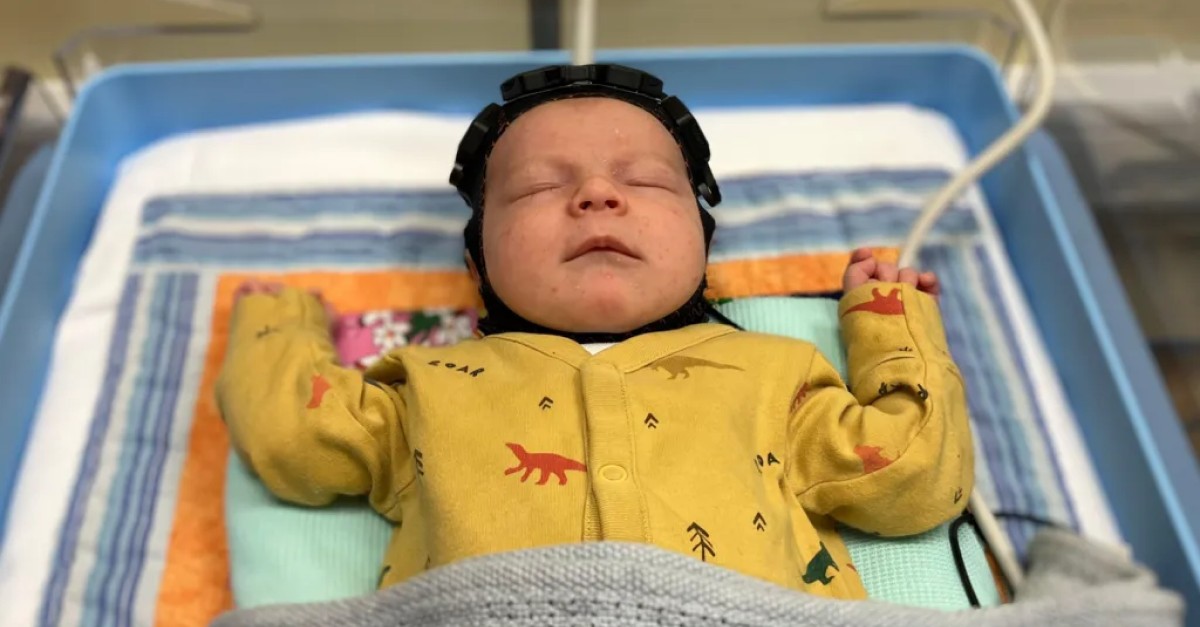
Cerebral palsy often begins with a brain injury that occurs before, during, or shortly after birth, yet for many families the path to diagnosis can be long and uncertain.
Newborn brain injuries affect roughly 5 in every 1,000 babies, and current monitoring tools can struggle to predict how a child will be affected as their brain develops. This uncertainty can delay diagnosis and make it harder for families to access early therapies and support during the critical first months of life.
Researchers in Cambridge, England are testing a new approach that could help close this gap. By improving how doctors monitor brain activity in newborns, the technology aims to identify signs of injury earlier and more accurately than existing methods.
Earlier insight into how an infant’s brain is functioning could allow clinicians to begin interventions sooner, potentially improving long-term outcomes for children at risk of conditions like cerebral palsy, epilepsy, and learning difficulties.
About the Diagnosis of Cerebral Palsy Trial
The swimming cap is currently being tested as part of the Fusion study at Rosie Maternity Hospital in Cambridge, a project led by researchers aiming to develop a system for cot-side assessment of newborn brain activity.
The study is the first of its kind in the world, combining light and ultrasound technologies to provide a more comprehensive understanding of infant brain function. Initial trials focused on both healthy and premature babies, helping the research team prove the concept and refine the device for practical use in hospital settings.
"It's the first time that light and ultrasound have been used together like this to give a more complete picture of the brain," explained researcher Dr. Flora Faure of the Fusion (Functional UltraSound integrated with Optical Imaging in Neonates) study.
Now, the trial is moving to include babies considered at higher risk of brain injury. By monitoring infants in the early weeks of life, researchers hope to detect patterns of brain activity that indicate vulnerability to conditions such as cerebral palsy, epilepsy, or learning difficulties.
The study emphasizes frequent, non-invasive monitoring, which is not only safer and more comfortable for babies but also allows clinicians to track rapid changes in brain function during a critical developmental period.
What Is the Swimming Cap for a Diagnosis of Cerebral Palsy in Babies?
The new “swimming cap” is a small, portable device designed to monitor a baby’s brain activity more effectively than traditional methods. By combining two advanced techniques, it provides a more complete picture of how a newborn's brain is functioning.
Here’s how the swimming cap works:
- Light sensors (high-density diffuse optical tomography): Measure changes in oxygen levels on the surface of the brain to track how well brain tissue is functioning
- Functional ultrasound: Visualizes small blood vessels deep inside the brain, giving insight into circulation and brain structure
- Portable design: Can be fitted while the baby is in their cot, making monitoring less stressful and enabling repeated assessments
- Early detection potential: Regular scans to help identify infants most vulnerable to brain injury, allowing therapies and interventions to begin sooner
"The light sensors monitor changes in oxygen around the surface of the brain — a technique known as high-density diffuse optical tomography — and the functional ultrasound allows us to image the small blood vessels deep in the brain," explained Dr. Faure.
The cap provides a detailed picture of both surface and deep brain activity, helping clinicians identify potential problems much earlier than current methods allow.
Unlike traditional tests for the diagnosis of cerebral palsy like MRIs or cranial ultrasound scans, the cap is portable and can be used directly at the baby’s cot, allowing repeated monitoring without moving the infant.
Why Diagnosing Cerebral Palsy in Infants Earlier Matters
In the U.S., it can take several years after birth to get a cerebral palsy diagnosis, delaying access to therapies, interventions, and support services that are most effective in the earliest stages of development.
By identifying brain injuries sooner, clinicians can begin tailored interventions during a period when the infant’s brain is highly adaptable. Early therapies can help improve motor skills, coordination, and overall development, giving children the best chance to reach their full potential.
Key benefits of earlier CP diagnosis in babies include:
- Better monitoring of at-risk infants, enabling personalized care plans from the earliest stages
- Faster access to therapies and interventions that support motor and cognitive development
- Improved long-term outcomes by taking advantage of the brain’s early plasticity
- Potential to prevent secondary complications, such as muscle stiffness or delayed milestones, through timely treatment
- Reduced uncertainty for families, allowing them to plan and access support networks sooner
- Time to pursue cerebral palsy financial support and legal action
"Understanding brain activity patterns in both term and preterm infants can help us identify those most vulnerable to injury at an early stage," clarified Professor Topun Austin, consultant neonatologist and director of the Cambridge University Hospital's Evelyn Perinatal Imaging Centre.
The introduction of technologies like the swimming cap could dramatically shorten this diagnostic window and provide families with clarity and guidance much sooner.
Get Help Seeking Financial Support for CP
At Cerebral Palsy Guide, we can help families whose child was injured at birth and now has CP seek justice and compensation that can help with the costs of long-term care.
We have a team of registered nurses with decades of labor and delivery experience available who can help you understand if your child has cerebral palsy, what caused them to develop CP, and what your options are now.
Get a free case review now to find out more about your options and eligibility.
 Written by:Cerebral Palsy Guide
Cerebral Palsy Guide was founded upon the goal of educating families about cerebral palsy, raising awareness, and providing support for children, parents, and caregivers affected by the condition. Our easy-to-use website offers simple, straightforward information that provides families with medical and legal solutions. We are devoted to helping parents and children access the tools they need to live a life full of happiness