Cerebral Palsy Dental Health: Common Issues and Treatments
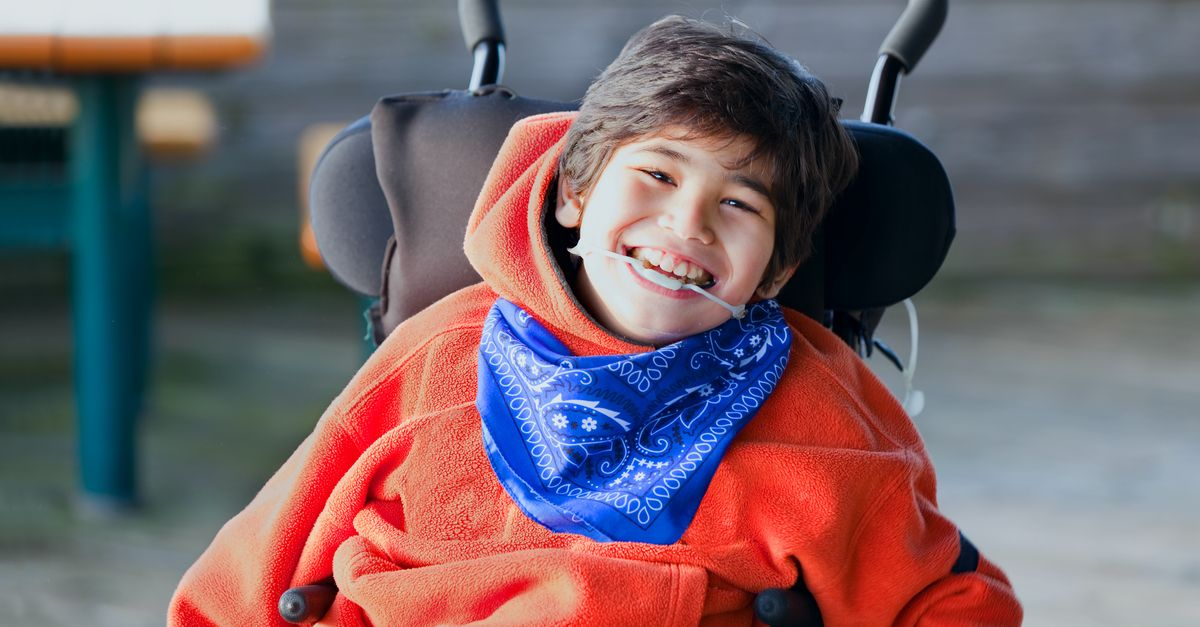
Caring for a child’s teeth is part of their overall health, but dental care for children with cerebral palsy (CP) can present additional challenges.
Many kids with cerebral palsy struggle with oral health due to muscle control issues, trouble swallowing, or difficulty keeping up with daily brushing and flossing. Without consistent care and the right support, common dental problems can worsen and lead to pain, infection, or feeding issues.
“Living with cerebral palsy, it’s very important for me to find a dentist who is caring and able to calm all of my anxiety during cleanings.”
– Amie Kroessig, Cerebral Palsy Guide Outreach Coordinator
February is National Children’s Dental Health Month 2026, a reminder to pay close attention to cerebral palsy dental health and early prevention.
Learn about common cerebral palsy dental considerations, treatment options, and practical ways families can manage daily care.
Challenges With Cerebral Palsy Dental Management
Symptoms of cerebral palsy can make daily oral care harder. Problems with muscle control, swallowing issues, and coordination challenges all increase the risk of dental problems for children with CP.
These barriers can make brushing and flossing difficult and raise the risk of cavities, gum disease, and enamel damage. Involuntary movements or muscle stiffness may also require dentists to adjust how care is provided.
"People with CP can have trouble holding a toothbrush, handling dental floss, chewing and swallowing, and more. All these problems contribute to poor oral health."
— Penn Dental Medicine
In addition to daily care challenges, many children with CP have structural differences in the mouth, such as crowded or misaligned teeth, delayed eruption, or abnormal tooth shape.
These issues can make routine dental hygiene more difficult and increase the risk of complications over time.
Children with CP often benefit from early dental support, adaptive tools, and dentists who understand mobility and sensory needs.
Common Dental Conditions in Children With CP
Children with any type of cerebral palsy can face unique oral health challenges beyond cavities and gum disease.
Some conditions are more common or more severe in children with CP due to differences in muscle tone, swallowing difficulties, and limited control of the lips, tongue, and jaw.
Here are 5 common cerebral palsy dental issues:
- Bruxism (teeth grinding): Many children with spastic cerebral palsy grind their teeth, which wears down enamel and can cause jaw pain, headaches, and tooth sensitivity.
- Hyperactive gag reflex: Some children with CP have an overly sensitive gag reflex, which can make brushing, flossing, and dental visits more difficult.
- Low muscle tone: Weak oral muscles can affect a child's ability to chew, swallow, and maintain proper tongue positioning, leading to difficulty clearing food from the mouth.
- Excess saliva (sialorrhea): Many children with CP experience drooling, which can contribute to skin irritation and increase the risk of cavities or infections.
- Tooth decay: Difficulty brushing, inconsistent oral hygiene, or food remaining in the cheeks can lead to cavities and decay. If untreated, this can cause pain, infections, or tooth loss.
With specialized dental care, early intervention, and the proper techniques, children with cerebral palsy can maintain good oral health and reduce their risk of complications.
Tips for Cerebral Palsy Dental Treatment and Care
Children with cerebral palsy often need specialized dental care. Below are some ways to improve your child’s oral health at home and during dental visits.
At-Home Cerebral Palsy Dental Care
Daily oral hygiene can be challenging for children with cerebral palsy, but adaptive tools, assistive devices, and techniques can make it easier.
Here are some strategies to improve dental care at home:
- Adaptive toothbrushes: Use an electric or modified toothbrush with a larger handle or strap for easier grip.
- Brushing techniques: Angle the toothbrush at 45 degrees and use gentle, circular motions to reach all surfaces.
- Fluoride treatments: Ask your dentist about fluoride varnish or prescription toothpaste to strengthen enamel.
- Mouth positioning: Lay your child on a bed or reclining chair for better access to their teeth.
- Oral rinses: If brushing is difficult, fluoride mouth rinses can help reduce plaque and cavities.
- Saliva management: Certain medications or therapy techniques may help if excess drooling is an issue
Consistent at-home care is essential, but professional dental treatment can provide additional support for children with cerebral palsy.
Professional Cerebral Palsy Dental Treatment
Children with cerebral palsy may require specialized dental care beyond daily hygiene. Dentists trained in treating patients with CP can provide additional support and accommodations.
Consider these options when seeking professional treatment:
- Dental sedation options: For children with severe mobility limitations or anxiety, sedation (medication to help relax) can make dental care safer and more comfortable.
- Orthodontic care: Some children may require braces or other treatments to correct misaligned teeth.
- Protective treatments: Sealants and fluoride applications can help prevent decay in hard-to-clean areas.
- Sensory accommodations: Noise-canceling headphones, weighted blankets, or scheduling short visits may help reduce discomfort.
Good oral hygiene and regular checkups help prevent dental problems. Working with a knowledgeable dentist and using adaptive tools can improve daily care.
Helping Families Navigate Cerebral Palsy
As we recognize National Children’s Dental Health Month 2026, it’s a good time to focus on the unique dental needs of children with cerebral palsy.
Muscle control challenges, sensory sensitivities, and oral coordination issues can make daily hygiene and professional treatment more difficult. With the right support, families can take steps to protect their child’s oral health.
At Cerebral Palsy Guide, we are committed to helping families navigate the challenges of cerebral palsy. We may be able to help you access cerebral palsy financial support to cover the cost of medical care, therapy, and specialized treatments.
If you have questions about your child’s condition or available resources, our registered nurses are here to help.
Call us at (855) 220-1101 to speak with a caring nurse today — at no cost.
 Written by:Cerebral Palsy Guide
Cerebral Palsy Guide was founded upon the goal of educating families about cerebral palsy, raising awareness, and providing support for children, parents, and caregivers affected by the condition. Our easy-to-use website offers simple, straightforward information that provides families with medical and legal solutions. We are devoted to helping parents and children access the tools they need to live a life full of happiness