Early Therapy Can Have Long-Term Benefits in Babies With Cerebral Palsy
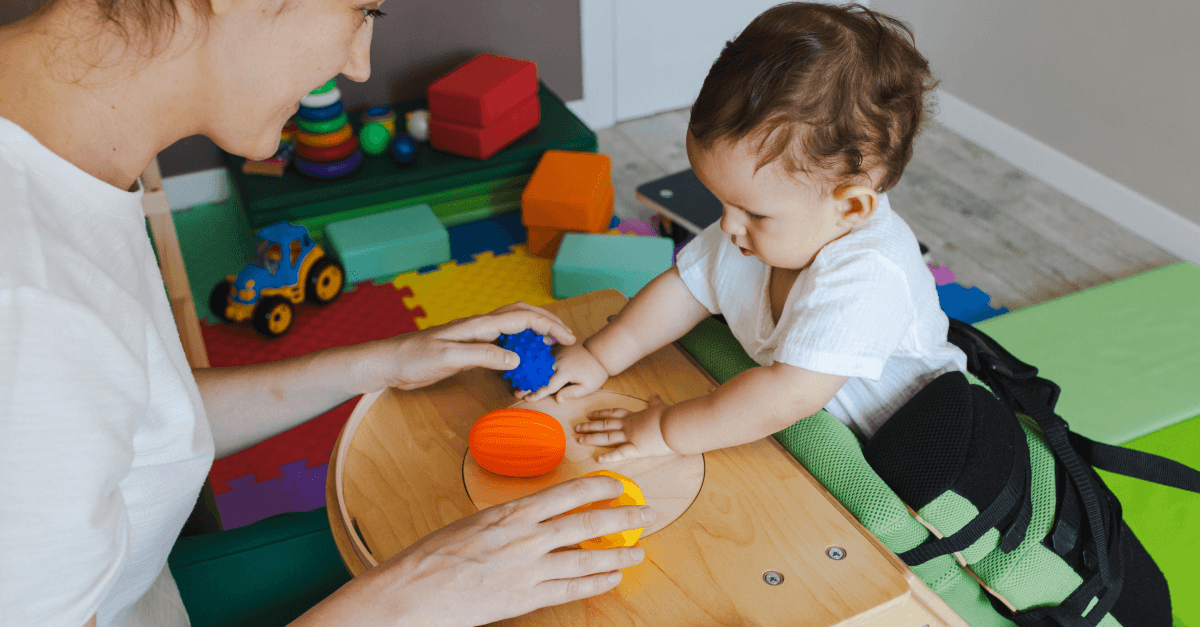
A new clinical trial out of Virginia Tech is giving families of children with cerebral palsy a reason for cautious optimism. The Baby CHAMP study is the first of its kind to compare leading therapy approaches in infants and toddlers.
The landmark cerebral palsy clinical trial found that early, intensive intervention led to meaningful and lasting improvements in arm and hand movement, even in children under 2 years old.
For families navigating a cerebral palsy diagnosis, these findings highlight something powerful: The earlier treatment begins, the better the outcome may be.
If your child has cerebral palsy as a result of malpractice at birth, you may qualify for compensation that can help pay for their care.
What Is the Baby CHAMP Trial?
Baby CHAMP stands for Children with Hemiparesis Arm-and-Hand Movement Project. It was a federally funded, multisite randomized controlled trial led by researchers at Virginia Tech's Fralin Biomedical Research Institute, in collaboration with The Ohio State University and Nationwide Children's Hospital.
The study focused on children with unilateral cerebral palsy — a form of CP that affects movement on one side of the body. Researchers wanted to answer a question that, until now, lacked solid clinical evidence: Which type of early therapy works best for babies and toddlers?
The trial compared 3 therapist-delivered approaches:
- Constraint-induced movement therapy (CIMT) with a cast: The child's stronger arm is placed in a cast to encourage use of the weaker arm during structured, play-based therapy sessions
- Constraint-induced movement therapy with a splint: Similar to the cast-based approach, but using a removable splint instead
- Bimanual therapy: The child practices activities that require using both hands together, without restricting either arm
All 3 interventions were grounded in motor learning principles, including repetition, reinforcement, and progressively challenging play-based activities. Specialists across all sites were centrally trained to ensure consistency.
What Did the Baby CHAMP Study Find?
The Baby CHAMP study enrolled 58 infants and toddlers, and 53 completed treatment and end-of-therapy assessments. At the 6-month follow-up, 41 children returned for evaluations. The results were encouraging across the board.
Children in all 3 therapy groups showed significant improvements in their ability to use both hands, both individually and together. Fine motor skills in the weaker arm also improved. Improvements didn't plateau after therapy ended.
At the 6-month follow-up, gains were even more pronounced than at the end of treatment, suggesting that the benefits of early intervention continued to build over time.
"The brain in the first 2 years of life is remarkably plastic," said Stephanie DeLuca, co-principal investigator of the trial. "By delivering high-dose, play-based therapy early, we're capitalizing on a window of opportunity when the nervous system is especially responsive to experience."
What Does This Mean for Families?
For parents of a child recently diagnosed with CP, the Baby CHAMP findings carry a clear message: Don't wait. The developing brain is most adaptable during the first 2 years of life.
Structured, high-dose therapy within the first 24 months of a child's life can produce real, measurable results — and those results can keep improving even after treatment ends.
Importantly, all three approaches studied showed benefits. Families and their care teams have more than one evidence-based path forward and the flexibility to choose a therapy that best suits their child's needs, personality, and daily life.
If your child has been diagnosed with unilateral cerebral palsy or shows signs of favoring one side of the body, talk to your pediatrician or a pediatric rehabilitation specialist about beginning intensive therapy as early as possible.
Cerebral Palsy and Birth Injury Malpractice
Many cases of cerebral palsy are linked to complications during labor and delivery. When oxygen deprivation, delayed emergency interventions, or medical errors during birth cause damage to a baby's developing brain, the result can be a lifelong condition that requires ongoing therapy, adaptive equipment, and specialized care.
Examples of medical malpractice during birth that can lead to cerebral palsy include:
- Failure to monitor fetal distress: Missing or ignoring warning signs on fetal heart rate monitors that indicate the baby is in trouble
- Delayed emergency C-section: Waiting too long to perform a cesarean delivery when vaginal birth poses a risk to the baby
- Improper use of assisted delivery tools: Misuse of forceps or vacuum extractors, which can cause trauma to the baby's head and brain
- Failure to treat infections: Not diagnosing or properly managing maternal infections such as chorioamnionitis, which can spread to the baby and cause brain damage
- Oxygen deprivation (birth asphyxia): Failing to address umbilical cord complications like prolapse or nuchal cord that cut off the baby's oxygen supply
- Medication errors: Incorrect use of labor-inducing drugs like Pitocin®, which can cause excessively strong contractions that reduce oxygen flow to the baby
- Delayed treatment of jaundice: Failing to monitor and treat severe newborn jaundice (kernicterus), which can lead to permanent brain damage
- Failure to plan for high-risk deliveries: Not accounting for known risk factors such as breech presentation, preeclampsia, or a large baby relative to the mother's birth canal
If your child's cerebral palsy was caused by a preventable birth injury, your family may be entitled to compensation that can help cover the cost of therapies like those studied in the Baby CHAMP trial — as well as assistive devices, medications, educational support, and long-term care.
A birth injury claim isn't just about accountability. It's about making sure your child has access to every resource that can help them reach their full potential.
Get Help for Your Child Now
Every child with cerebral palsy deserves the best possible start. If you believe your child's CP may have resulted from medical negligence during birth, our team can help you understand your legal options at no cost.
Our experienced advocates can connect you with top medical and legal professionals who specialize in birth injury cases, so you can focus on what matters most — your child's future.
Contact our team today for a free case review. We have registered nurses on staff who are here to help answer your questions.
 Written by:Cerebral Palsy Guide
Cerebral Palsy Guide was founded upon the goal of educating families about cerebral palsy, raising awareness, and providing support for children, parents, and caregivers affected by the condition. Our easy-to-use website offers simple, straightforward information that provides families with medical and legal solutions. We are devoted to helping parents and children access the tools they need to live a life full of happiness