Cerebral Palsy Toe Walking: What Causes It, and Can It Be Treated?
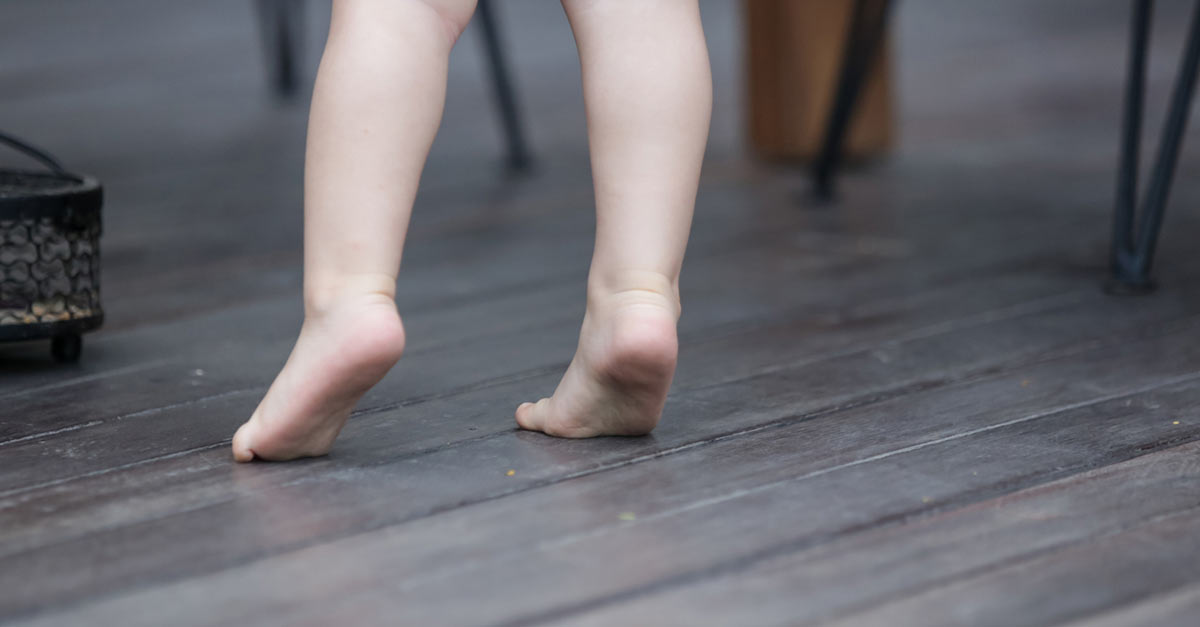
Toe walking can seem harmless in toddlers, but when it continues past age 2, it may point to an underlying condition such as cerebral palsy (CP). For many families, ongoing toe walking is one of the first visible signs of muscle tightness or movement challenges.
Parents often ask these questions if they notice their child tip-toe walking:
- When is toe walking typical, and when is it concerning?
- Is toe walking a sign of cerebral palsy?
- What treatments are used for toe walking cerebral palsy?
Toe walking can put extra strain on a child’s ankles, legs, hips, and lower back. Over time, this may affect balance, comfort, and how easily a child moves. Finding the cause early can help families take steps that support healthier movement as their child grows.
What Is Toe Walking?
Toe walking is when a child walks on the balls of their feet, with no contact between their heels and the ground. This can happen when they are barefoot or wearing shoes, and it looks similar to standing on your tiptoes.
It’s fairly common for children just beginning to walk to use their tiptoes as they learn how to balance their body weight.
The majority of toe walking is idiopathic, meaning the exact cause isn’t known. Most children outgrow toe walking and begin walking with a normal heel-to-toe pattern.
Many older children who continue to walk on their tiptoes simply do so out of habit. However, toe walking can sometimes be caused by cerebral palsy or another underlying condition that affects a child’s muscles and body movements.
Watch our short video to learn more about cerebral palsy.
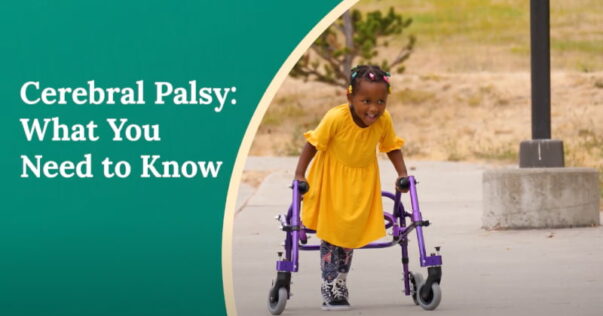
Learn more about cerebral palsy and what to do if you suspect your child’s condition could have been prevented.
Duration: 1 min 04 sec
Cerebral palsy is a condition that affects how some people move and learn. It's caused by damage to the developing brain before or after birth.
According to the Centers for Disease Control and Prevention, about one out of every 345 children in the United States has cerebral palsy.
Sometimes, cerebral palsy can happen because of a preventable mistake by a doctor or hospital during childbirth. This is called medical malpractice.
If you think your child has cerebral palsy because of medical malpractice, you might be able to pursue life-changing compensation for their treatment. An experienced birth injury lawyer can explain your rights and help get you the support you need.
You may have legal options if your child’s cerebral palsy was caused by medical malpractice. Connect with the team at Cerebral Palsy Guide today for a free, no-obligation case review.
What Causes Toe Walking in Cerebral Palsy Patients?
The most common cause of toe walking in those with cerebral palsy is spasticity. This refers to involuntary muscle contractions caused by damage to the brain. Spasticity can pull a child’s limbs into abnormal positions and cause stiff movements.
About 80% of people with CP have spastic cerebral palsy, according to the Centers for Disease Control and Prevention (CDC).
Children with spastic CP have stiff muscles, which can make their movements awkward.
Toe walking in children with cerebral palsy is often linked to spastic diplegia. This type of CP mainly affects the legs. This condition causes ongoing tightness in the calf muscles, which can pull the heels upward and make it difficult for the feet to rest flat on the ground.
Over time, the leg muscles can get used to being in this shortened position. This can make it harder to reverse cerebral palsy tip-toe walking.
Identifying and treating toe walking in cerebral palsy early can help minimize discomfort and possibly correct this pattern before it becomes a habit.
If your child is aged 2 or older and walks on their tiptoes at least half the time, it’s important to have them evaluated by a doctor.
Does Toe Walking Have Any Risks?
Yes. When a child walks on their toes for a long period of time, the bones and ligaments in the lower back, knees, and hips are tensed unnaturally.
This can lead to improper bone growth and/or ligament overstretching, which can put children with any type of CP at risk for injury and joint discomfort as they get older.
Other possible complications associated with toe walking include:
- Chronic pain caused by muscle tightness and excess pressure on the ankles
- Difficulty riding a bike, squatting, or climbing stairs
- Frequent falls due to poor balance and stability
- Inability to walk flat-footed
- Poor posture
- Problems wearing shoes
- Social stigma from walking differently than their peers
- Soreness after walking
- Stiffness, tightening, and pain in their Achilles tendon (tissue that connects the calf muscles to the heel bone)
Catching cerebral palsy tip-toe walking early on can help reduce some of the physical risks listed above. Toe walking is usually easily observed by parents, but it can be officially diagnosed through a physical exam.
During the exam, a cerebral palsy specialist can observe the way your child walks (their gait), their range of motion, and muscle tone.
If the doctor suspects your child has cerebral palsy or another underlying condition, they may recommend a neurological exam or tests to check for developmental delays.
What Treatment Options Can Help With Cerebral Palsy Toe Walking?
Treatment for toe walking in children with CP depends on the child’s age and ability to walk flat on their feet. Encouraging your child to squat during play, keeping their heels on the floor, helps stretch calf muscles. Using a low table for activities can also help, according to the University of Rochester.
“Physical therapists often use fun activities because children are more likely to stay engaged and continue practicing at home, even after therapy sessions end.”
– Katie Lavender, RN
Negative-heel shoes, which have a lower heel than the front, can help children with CP achieve better ankle movement when the foot first touches the ground, according to an article published in the Journal of Neurophysiology.
Learn more about treatment options for cerebral palsy walking on toes below.
Treatment for Cerebral Palsy Tip-Toe Walking
Most podiatrists (doctors who treat foot problems) will start conservatively with treatment. Surgery is usually recommended only as a last resort when there is an issue with the Achilles tendon or calf muscles.
Toe-walking treatments might include:
- Physical therapy: Physical therapy sessions to stretch and strengthen the muscles can help a child improve their gait.
- Bracing: A custom plastic brace called an ankle-foot orthosis (AFO) can help encourage a flat foot when walking. It can be worn during the day or at night to stretch tight calf muscles and tendons.
- Serial casting: Short leg casts applied for 1-2 week intervals can stretch tight muscles over time and improve the position of the foot and ankle.
- Botox® injections: Children over the age of 2 can be given an injection of botulinum toxin (Botox) to temporarily relax their calf muscles. This helps the muscles stretch more easily during serial casting or bracing.
- Achilles tendon lengthening: If a child’s calf muscles and Achilles tendons are so tight that walking flat-footed is not possible, surgery can be performed to lengthen the tight Achilles tendon. This can increase the range of motion and function of the child’s foot and ankle.
Your child’s doctor or physical therapist may also recommend specific stretches. Many of these can be done at home to ease muscle tension.
Connect with one of our registered nurses to see if there are any resources that may help with your child’s treatment.

Kristin Proctor, RN
Registered Nurse for 20+ Years
Learn More About Foot Problems in Children With Cerebral Palsy
Toe walking and other foot issues in children with cerebral palsy can be better managed with early intervention and treatment.
Having an orthopedic specialist on your child’s medical team is especially important to help prevent any negative effects of long-term toe walking. The team at Cerebral Palsy Guide is here to support families affected by CP.
Call us at (855) 220-1101 right now or download our FREE Cerebral Palsy Guide to learn more about how we can help.
 Written by:Cerebral Palsy Guide
Cerebral Palsy Guide was founded upon the goal of educating families about cerebral palsy, raising awareness, and providing support for children, parents, and caregivers affected by the condition. Our easy-to-use website offers simple, straightforward information that provides families with medical and legal solutions. We are devoted to helping parents and children access the tools they need to live a life full of happiness