Virtual Reality Reduces Pain During Botox for Kids with Cerebral Palsy
Botox® injections can help children with cerebral palsy (CP) manage muscle stiffness and spasticity, but the injections themselves can be painful and stressful. New research suggests that combining virtual reality (VR) and cerebral palsy treatments may offer a simple way to make these treatments more comfortable for children.
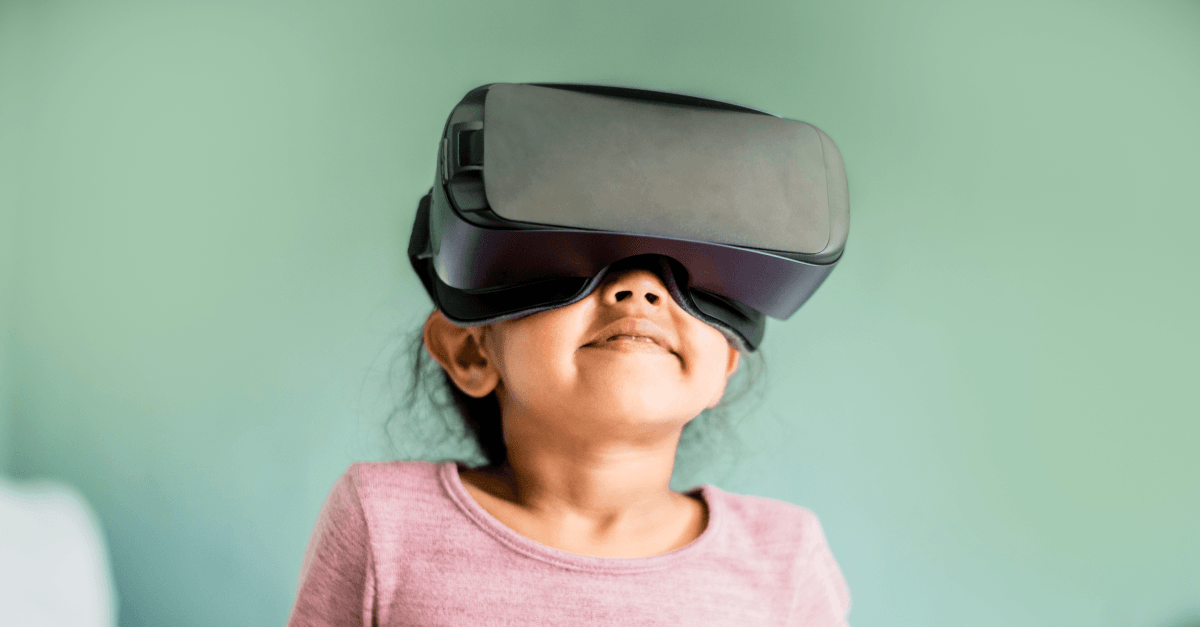
Kids can enter 3D worlds in virtual reality by wearing a specialized headset over their eyes and ears. When the headset turns on, they can play a game or watch something calming while they receive injections.
The headset makes these treatments more comfortable by blocking the sight and sound of the procedure and giving the child something else to focus on. When their attention is somewhere else, the injections tend to hurt and scare them less.
The study’s findings offer parents a promising treatment improvement to discuss with their child's care team. Virtual reality doesn't treat CP or replace medical pain management, but it may help make necessary treatments less intimidating and easier for children to tolerate.
If you’re unsure how to start that conversation with your child’s doctor, talk to our team of registered nurses for free today.


How Botox Helps Children With Cerebral Palsy
Cerebral palsy can cause spasticity, which makes muscles stiff and hard to control. This can make everyday movements, such as walking, reaching, or using your hands, more difficult.
Botox, also known as botulinum toxin, can be injected directly into specific muscles to temporarily reduce CP-related symptoms.
Botox treatments may help with:
- Helping children perform certain daily activities more easily
- Improving range of motion and movement
- Increasing comfort in muscles affected by spasticity
- Making physical therapy easier or more effective
- Reducing muscle stiffness and spasms
The effects of Botox injections are temporary, so children often need repeat injections as part of their treatment plan. A child's doctor can determine whether getting Botox for cerebral palsy is appropriate based on their specific symptoms, muscles affected, and treatment goals.
Virtual Reality May Make Botox Injections for Cerebral Palsy More Comfortable
Researchers at Gillette Children’s and the University of Minnesota studied whether virtual reality could help reduce pain and anxiety for children receiving Botox injections. They also evaluated the anxiety felt by parents attending the treatments before publishing their findings in Pain Reports.
Here's how the CP virtual reality study went and what researchers found:
- 31 children ages 5 to 17 participated in the study
- 23 children used VR throughout the entire Botox procedure
- Children and parents reported 28% less pain when VR was used
- Child life specialists reported 42% lower pain in their patients
- Children and parents also reported lower anxiety levels with VR
- Nitrous oxide concentrations at the end of the procedure were about 5% lower on average, with reductions of up to 20% in some children
- 8 children stopped using VR, including 3 who preferred another distraction method and 5 who experienced minor side effects such as dizziness, motion sickness, nausea, or feeling overwhelmed
When compared with standard Botox injections without VR, the combination of VR and nitrous oxide had positive effects on anxiety and pain for everyone involved in treatment appointments.
The researchers noted that the study had a small sample size and relied partly on self-reported pain and anxiety, so larger studies are needed to confirm the findings. Still, the results suggest that VR could be a useful tool for helping some children and parents feel less pain or anxiety during repeated Botox treatments.
“On average, when VR was used, pain levels were lower while also using lower nitrous oxide concentrations. The pairing of VR and nitrous oxide…may reduce the need for strategies like physical holds, which adversely affect the child, parent, and healthcare workers.”
– Maykala J. Williams, Clinical Research Specialist and lead author of the Pain Reports study
VR May Also Reduce the Need for Nitrous Oxide
The study also found that children who used virtual reality needed less nitrous oxide during their Botox injections. Nitrous oxide, also known as laughing gas, helps children relax and reduce pain during medical procedures.
Researchers found that nitrous oxide concentrations were about 5% lower on average when children used VR, with some children experiencing reductions of up to 20%.
Using less nitrous oxide may lower the risk of side effects, including hallucinations, nausea, and vomiting. It’s a considerable health care advancement, particularly for children who are more sensitive to nitrous oxide.
Could Virtual Reality Help Your Child With Cerebral Palsy?
Virtual reality may be worth discussing with your child's care team if a Botox injection for cerebral palsy is painful, frightening, or stressful for them. VR helped reduce those adverse effects for many children during Botox injections, suggesting that immersive distraction may make these treatments easier to tolerate.
It may be especially useful for children who need long-term injections as part of their cerebral palsy treatment. However, VR isn't the best solution for every child, as some kids in the study felt overwhelmed by the technology or experienced dizziness, nausea, and motion sickness.
Your child's doctor can help determine whether VR is a good option based on their age, symptoms, comfort level, and treatment needs. Distraction techniques can make the experience more comfortable and may improve your child’s quality of life by reducing anxiety.
Get Free Cerebral Palsy Resources & Support
Caring for a child with CP can involve many decisions, from managing spasticity and treatment options to finding ways to make medical procedures like Botox injections more comfortable.
Research into treatments like virtual reality can give families more options to discuss with their child's care team and may help make ongoing care less stressful. If you're looking for reliable information about CP, treatment options, or resources for your family, Cerebral Palsy Guide can help.
Call us right now at (855) 220-1101 or get a free case review to get information and support from our registered nurses at no cost.
 Written by:Cerebral Palsy Guide
Cerebral Palsy Guide was founded upon the goal of educating families about cerebral palsy, raising awareness, and providing support for children, parents, and caregivers affected by the condition. Our easy-to-use website offers simple, straightforward information that provides families with medical and legal solutions. We are devoted to helping parents and children access the tools they need to live a life full of happiness